
Last Updated on May 15, 2026 by Hafsa J.
Follow QSE Academy on Google
Add us as a preferred source to see our ISO and compliance articles more often in your Google results and Discover.
What is ISO 9001 Quality Management System ?
Have you ever wondered how some businesses consistently deliver high-quality products and services while others struggle with inefficiencies and customer complaints? The secret often lies in their approach to quality management—and that’s where the ISO 9001 Quality Management System comes in.
The ISO 9001 Quality Management System is an internationally recognized standard that helps businesses streamline their processes, improve efficiency, and meet customer expectations. Whether you run a small startup or a multinational corporation, ISO 9001 provides a structured framework to ensure quality at every stage of your operations.
But what exactly does this system do, and why is it so important? In this guide, we’ll break it all down in simple, easy-to-understand terms. You’ll learn what the ISO 9001 Quality Management System is, how it works, why businesses adopt it, and what benefits it brings.
If you’re looking to improve quality, reduce waste, or even get your company ISO 9001 certified, this article is for you. Let’s dive in!
Understanding ISO 9001 Quality Management System
If you’ve heard of the ISO 9001 Quality Management System but aren’t quite sure what it actually is, don’t worry—you’re not alone! Let’s break it down in a way that makes sense.
At its core, the ISO 9001 Quality Management System is a set of guidelines and best practices designed to help businesses improve their efficiency, consistency, and customer satisfaction. It’s not just about following rules—it’s about creating a structured approach to quality that helps companies perform better and meet customer expectations.
What is ISO 9001?
ISO 9001 is part of the ISO 9000 family of standards, which focuses entirely on quality management. Think of it as a blueprint for running a well-organized, high-quality business. This standard provides businesses with a clear framework to follow, ensuring they maintain consistency in their products, services, and internal processes.
What makes ISO 9001 Quality Management System special?
It’s internationally recognized – Businesses all over the world use ISO 9001 to demonstrate their commitment to quality.
It applies to all industries – Whether you’re in manufacturing, healthcare, IT, or even education, ISO 9001 can be adapted to your organization.
It’s focused on continual improvement – The goal isn’t just to meet the standard once but to keep improving over time.
What Does a Quality Management System (QMS) Do?
A Quality Management System (QMS) is exactly what it sounds like—it’s a system that helps organizations manage quality across all areas of their operations. The ISO 9001 Quality Management System ensures that businesses:
Follow a structured approach to quality – Instead of handling quality issues randomly, companies have clear policies and procedures in place.
Identify and reduce inefficiencies – Businesses using ISO 9001 can spot weak points and improve their processes.
Meet customer expectations – By maintaining high standards, companies improve customer trust and satisfaction.
Imagine a company that consistently delivers on-time, defect-free products—that’s the power of an ISO 9001 Quality Management System in action!
Key Principles of ISO 9001 Quality Management System
To really understand ISO 9001, it helps to know the core principles behind it. These principles guide businesses in creating a successful quality management system:
Customer Focus – Everything revolves around meeting customer needs and exceeding expectations.
Leadership – Strong leadership ensures that quality is a priority at all levels of the organization.
Process Approach – Instead of treating tasks separately, businesses use interconnected processes to ensure smooth operations.
Continuous Improvement – ISO 9001 encourages companies to always look for ways to improve.
Evidence-Based Decision Making – Instead of guessing, businesses rely on real data and analysis to make decisions.
Relationship Management – Building strong relationships with suppliers, partners, and customers ensures long-term success.
These principles form the foundation of a strong ISO 9001 Quality Management System, helping businesses stay organized, efficient, and competitive.
Now that we understand what the ISO 9001 Quality Management System is and how it works, let’s explore why it’s so important for businesses of all sizes.
Why is ISO 9001 Quality Management System Important?
Now that we understand what the ISO 9001 Quality Management System is, let’s talk about why it matters. You might be wondering, “Do businesses really need ISO 9001, or is it just another certification?” The truth is, ISO 9001 isn’t just about getting a certificate to hang on the wall—it’s about building a strong, efficient, and customer-focused business.
The Business Benefits of ISO 9001 Certification
When a company implements the ISO 9001 Quality Management System, it’s making a commitment to quality, efficiency, and continuous improvement. Here’s how that translates into real benefits:
- Increased Efficiency – ISO 9001 helps businesses streamline their processes, eliminate waste, and reduce errors. This means fewer costly mistakes and smoother day-to-day operations.
- Stronger Customer Satisfaction – Customers expect high-quality products and services. With ISO 9001, companies can ensure consistent quality, leading to happier customers and repeat business.
- Competitive Advantage – Many companies prefer to work with ISO 9001-certified suppliers because they know they meet international quality standards. Having an ISO 9001 Quality Management System can give businesses an edge in winning contracts and standing out in the marketplace.
- Better Decision-Making – ISO 9001 is all about using data to make informed decisions. Instead of relying on guesswork, businesses analyze real performance metrics to identify problems early and make smart improvements.
- Improved Employee Engagement – A well-structured quality management system helps employees understand their roles and responsibilities, reducing confusion and boosting productivity.
Simply put, businesses that follow the ISO 9001 Quality Management System are more organized, more reliable, and better equipped to grow in today’s competitive world.
Who Needs an ISO 9001 Quality Management System?
The great thing about the ISO 9001 Quality Management System is that it’s not limited to any one industry or business size. Whether you’re a startup, a mid-sized company, or a multinational corporation, ISO 9001 can help you improve your processes and credibility.
Manufacturing – Ensuring consistent product quality and reducing defects.
Healthcare – Improving patient care and meeting regulatory requirements.
IT & Software Development – Enhancing software quality and project efficiency.
Construction – Keeping projects on schedule and meeting safety standards.
Retail & E-commerce – Streamlining supply chains and enhancing customer experience.
Even small businesses can benefit from ISO 9001! It’s a flexible system that can be adapted to any industry, helping organizations of all kinds deliver better results.
By now, you can see why the ISO 9001 Quality Management System is more than just a certification—it’s a powerful tool for business success. But how does it actually work? Let’s take a closer look at the structure and certification process of ISO 9001.
How Does ISO 9001 Quality Management System Work?
Now that we know why the ISO 9001 Quality Management System is important, let’s dive into how it actually works. If you’re thinking about implementing ISO 9001 or getting certified, understanding its structure and process will help you see the big picture.
ISO 9001 isn’t a one-size-fits-all approach—it’s a flexible system that businesses can adapt to fit their unique needs while still following internationally recognized quality principles.
The Structure of ISO 9001 Quality Management System
The ISO 9001 standard is built around a set of requirements that organizations must meet to develop an effective Quality Management System (QMS). These requirements are outlined in ten key clauses that help businesses organize, manage, and continuously improve their processes.
Here’s a quick breakdown of the main sections of the ISO 9001 Quality Management System:
- Clauses 1-3: Introduction & Definitions – These sections provide background information on ISO 9001.
- Clause 4: Context of the Organization – Understanding internal and external factors that impact quality management.
- Clause 5: Leadership – Emphasizing the importance of top management involvement in building a strong QMS.
- Clause 6: Planning – Identifying risks, opportunities, and setting clear quality objectives.
- Clause 7: Support – Ensuring that employees, resources, and communication systems support quality management.
- Clause 8: Operation – The core of ISO 9001, focusing on how products and services are delivered efficiently and effectively.
- Clause 9: Performance Evaluation – Measuring and analyzing performance to ensure continuous improvement.
- Clause 10: Continuous Improvement – The ultimate goal—finding better ways to enhance efficiency and quality.
When a business follows these guidelines, it builds a strong and reliable Quality Management System that supports growth, consistency, and customer satisfaction.
The ISO 9001 Certification Process
If a company wants to be officially recognized for meeting ISO 9001 standards, it must go through a certification process. This is how it works:
Step 1: Understanding the Requirements
Before jumping into certification, businesses must first understand what the ISO 9001 Quality Management System requires and how it applies to their operations.
Step 2: Implementing ISO 9001 in Daily Business Operations
This involves:
Defining company policies and procedures that align with ISO 9001 standards.
Training employees to follow quality management principles.
Setting up clear quality objectives and performance monitoring.
Step 3: Conducting Internal Audits & Gap Analysis
Before an official audit, businesses conduct internal audits to check for gaps in their QMS. This helps identify areas that need improvement before applying for certification.
Step 4: Certification Audit by an Accredited Body
A third-party certification body performs an external audit to verify that the organization meets ISO 9001 requirements. If everything checks out, the company is awarded the ISO 9001 certification! 🎉
Step 5: Maintaining Certification
ISO 9001 certification isn’t a one-time achievement—companies must continuously improve and pass surveillance audits every year to maintain their certification.
Common Misconceptions About ISO 9001 Quality Management System
Before wrapping up this section, let’s clear up some common myths about ISO 9001:
- “ISO 9001 is only for big companies.” – False! Businesses of all sizes can benefit from ISO 9001, including small startups.
- “ISO 9001 is just about paperwork.” – While documentation is part of the process, ISO 9001 is really about improving business operations and efficiency.
- “Once you’re certified, you’re done.” – Nope! ISO 9001 is about continuous improvement, meaning businesses must always look for ways to enhance their processes.
By now, you have a clear idea of how the ISO 9001 Quality Management System is structured and how businesses can get certified. But what about the frequently asked questions companies have before making the decision to implement it? Let’s explore those next!
Frequently Asked Questions About ISO 9001 Quality Management System
By now, you have a solid understanding of the ISO 9001 Quality Management System—what it is, how it works, and why it’s beneficial for businesses. But if you’re considering implementing ISO 9001 or pursuing certification, you might still have some lingering questions. No worries! Let’s tackle some of the most common ones.
How long does it take to implement ISO 9001?
The time required to implement the ISO 9001 Quality Management System depends on several factors, including the size of the organization, the complexity of processes, and how much groundwork has already been done.
For small businesses – Implementation can take anywhere from 3 to 6 months, especially if there are already structured processes in place.
For medium to large organizations – The process can take 6 months to a year or more, particularly if the company is new to structured quality management.
For organizations starting from scratch – Expect a longer timeline, as they may need to completely revamp workflows, train employees, and build documentation from the ground up.
Regardless of the timeline, the key to success is commitment to quality and continuous improvement. The goal isn’t just to get certified—it’s to build a sustainable system that improves operations long-term.
Is ISO 9001 certification mandatory?
No, ISO 9001 certification is not legally required, but in many industries, it’s a huge competitive advantage. Some companies choose to certify because:
Customers or clients require it – Many businesses, especially in manufacturing, construction, and healthcare, prefer to work with ISO 9001-certified suppliers.
It opens doors to new business opportunities – Government contracts and large corporations often require vendors to have ISO 9001 certification before awarding contracts.
It builds credibility and trust – Even if not required, being certified proves that a company is committed to quality and continuous improvement.
So, while it’s not legally mandatory, many organizations find that ISO 9001 certification is necessary to remain competitive in their industry.
How much does it cost to get ISO 9001 certified?
The cost of ISO 9001 certification varies based on factors like company size, industry, and the chosen certification body. Here’s a rough breakdown:
Training Costs – ISO 9001 training courses for employees and management can range from $300 to $2,000 per person, depending on the provider.
Consulting Fees (if needed) – Hiring an ISO consultant for guidance can cost $2,000 to $20,000, depending on the company’s needs.
Certification Audit Fees – Third-party certification audits typically cost between $3,000 and $10,000, based on company size and complexity.
While these costs may seem high, the return on investment (ROI) is significant. Companies that successfully implement the ISO 9001 Quality Management System often experience:
Higher efficiency and reduced waste
Stronger customer trust and satisfaction
More business opportunities and contract wins
Do small businesses need ISO 9001 Quality Management System?
Absolutely! Many people assume that ISO 9001 is only for large corporations, but in reality, it’s just as beneficial for small and medium-sized businesses (SMBs).
Here’s why SMBs should consider implementing an ISO 9001 Quality Management System:
It helps structure business processes, making operations more efficient.
It improves consistency, ensuring products and services meet customer expectations every time.
It gives small businesses a competitive edge, helping them compete with larger companies for contracts and customers.
Since ISO 9001 is scalable, small businesses can tailor the system to fit their specific needs without overwhelming complexity.
How do companies maintain ISO 9001 certification?
Getting certified is just the beginning! To maintain ISO 9001 certification, companies must commit to continuous improvement. Here’s how:
Regular internal audits – Businesses must conduct periodic internal audits to ensure they are still meeting ISO 9001 standards.
Surveillance audits by the certification body – Most certification bodies perform annual audits to verify ongoing compliance.
Employee training and engagement – Employees should stay informed about quality policies and best practices.
Continuous process improvement – Organizations should actively seek ways to enhance their quality management system.
By consistently following these steps, businesses keep their certification valid and ensure long-term success.
Final Thoughts
The ISO 9001 Quality Management System is more than just a certification—it’s a proven framework that helps businesses operate more efficiently, improve customer satisfaction, and stay competitive.
If you’ve been considering implementing ISO 9001 or getting certified, now is the perfect time to start! Whether you’re a small business looking to improve consistency or a large organization aiming for global recognition, ISO 9001 offers the structure and credibility you need.
So, what’s next? If you’re ready to take your business to the next level, start exploring ISO 9001 training, internal audits, and certification options today!
Conclusion: Why Every Business Should Consider ISO 9001 Quality Management System
By now, it’s clear that the ISO 9001 Quality Management System is more than just a certification—it’s a powerful tool for businesses looking to improve efficiency, customer satisfaction, and overall performance. Whether you’re a startup, a growing enterprise, or an established corporation, implementing ISO 9001 can streamline operations, reduce waste, and build long-term success.
If you’re still wondering whether ISO 9001 is right for your business, consider this:
It helps businesses of all sizes—from small startups to global corporations.
It improves consistency and quality, ensuring that your customers always get the best.
It opens doors to new opportunities, giving you a competitive edge in the market.
It’s a long-term investment, not just a one-time certification.
So, what’s the next step? If you’re ready to take your business to the next level, start by learning more about the ISO 9001 Quality Management System, training your team, and exploring certification options.
The journey toward ISO 9001 certification may take time, but the rewards—better efficiency, stronger customer trust, and increased business growth—are well worth it.
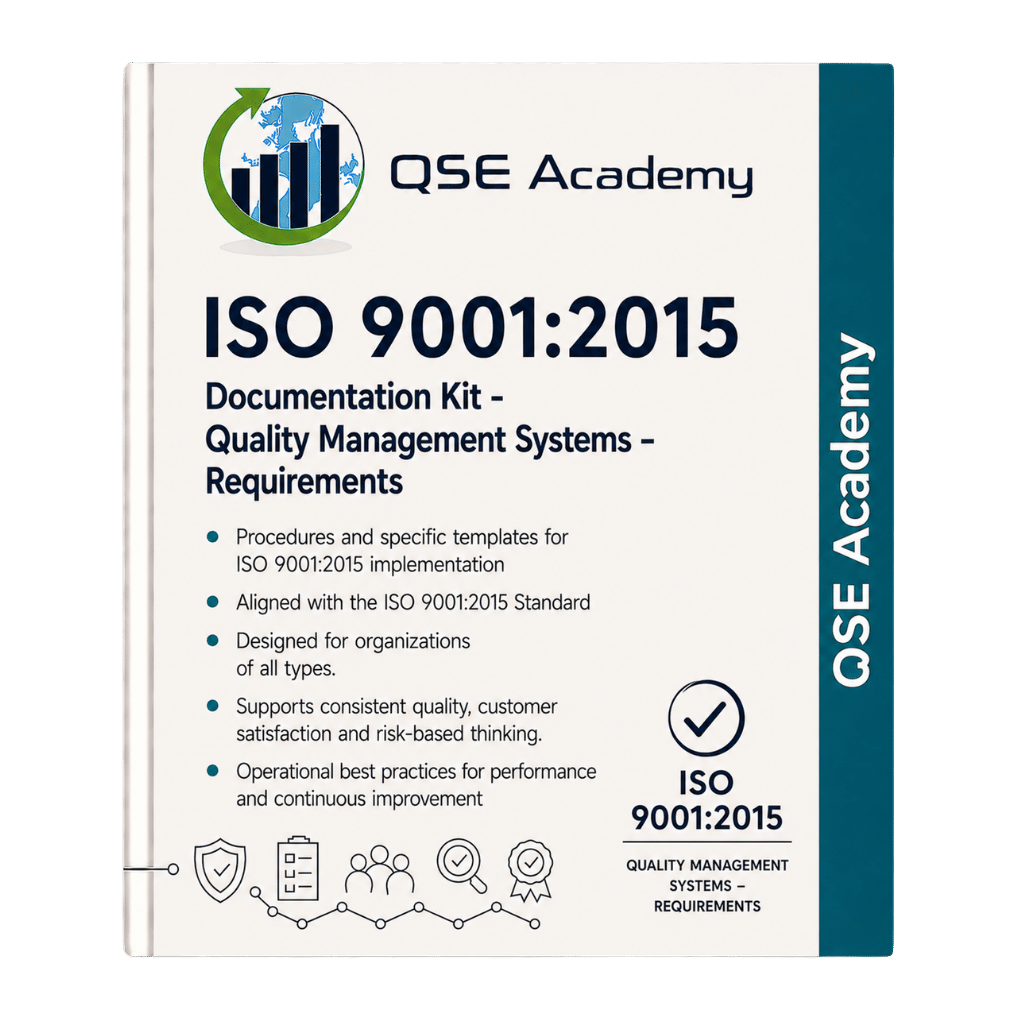
Ready to move from ISO 9001 theory to implementation?
Get the exact tools you need to write your documentation, train your team, map your processes, and pass your audit—without wasted time or guesswork.

👋 Hi, I’m HAFSA, and for the past 12 years, I’ve been on a journey to
make ISO standards less intimidating and more approachable for everyone.
Whether it’s ISO 9001, ISO 22000, or the cosmetics-focused ISO 22716, I’ve spent my career
turning complex jargon into clear, actionable steps that businesses can actually use.
I’m not here to call myself an expert—I prefer “enthusiast” because I truly love what I do.
There’s something incredibly rewarding about helping people navigate food safety and quality management systems
in a way that feels simple, practical, and even enjoyable.
When I’m not writing about standards, you’ll probably find me playing Piano 🎹, connecting with people, or diving into my next big project💫.
I’m an engineer specialized in the food and agricultural industry
I have a Master’s in QHSE management and over 12 years of experience as a Quality Manager
I’ve helped more than 15 companies implement ISO 9001, ISO 22000, ISO 22716, GMP, and other standards
My clients include food producers, cosmetics manufacturers, laboratories, and service companies
I believe quality systems should be simple, useful, and efficient.