
Last Updated on May 15, 2026 by Hafsa J.
Follow QSE Academy on Google
Add us as a preferred source to see our ISO and compliance articles more often in your Google results and Discover.
What is the main purpose of ISO 9001?
Let’s talk about something that often pops up in conversations about business growth and quality—ISO 9001. You’ve probably heard the term thrown around, especially when businesses talk about quality management systems. But here’s the real question: why does it matter? What’s the main purpose of ISO 9001, and why do so many businesses, big and small, consider it a must-have?
At its core, ISO 9001 is all about ensuring consistent quality in what a business delivers—whether it’s products, services, or even just the way things are done. Think of it as a guiding framework that helps organizations create systems to meet customer expectations, improve their processes, and keep everything running smoothly. It’s not just about ticking boxes or chasing a certification; the purpose of ISO 9001 is deeper. It’s about building trust, boosting efficiency, and creating a foundation for long-term success.
In this article, we’ll dive into the purpose of ISO 9001 and break it down in a way that’s easy to understand. Whether you’re a business owner curious about how it can help your company, or someone just looking to understand the buzz around it, you’re in the right place. Let’s explore why ISO 9001 isn’t just a technical standard—it’s a game-changer for businesses worldwide.
What is ISO 9001? A Quick Overview
Alright, let’s start with the basics—what exactly is ISO 9001? You’ve probably heard it described as a “quality management standard,” but what does that actually mean? In simple terms, ISO 9001 is a globally recognized standard designed to help businesses create systems that ensure consistent quality in their products or services. It’s like having a recipe for success that’s been tested and proven to work across different industries.
Now, here’s the cool part: the purpose of ISO 9001 goes way beyond just following a set of rules. It’s not about being overly rigid or complicated; instead, it’s about giving businesses a flexible framework they can tailor to their specific needs. Think of it as a guide that helps companies improve how they operate, meet customer expectations, and keep things running efficiently.
One of the key ideas behind ISO 9001 is “continuous improvement.” Basically, it’s a system that encourages businesses to keep getting better—whether that means streamlining processes, reducing errors, or delivering better customer experiences. And the best part? It’s not just for big corporations. The purpose of ISO 9001 is to make quality management accessible and beneficial for organizations of all sizes, from tiny startups to global enterprises.
So, whether you’re in manufacturing, healthcare, retail, or even a service-based industry, ISO 9001 can help you take your operations to the next level. It’s about creating systems that work for you, not the other way around. That’s why understanding the purpose of ISO 9001 is so important—it’s a tool designed to help businesses succeed, no matter their size or industry.
The Core Purpose of ISO 9001
So, what’s the big deal about the purpose of ISO 9001? Why do so many businesses around the world invest time and effort into implementing it? Let’s break it down together.
At its heart, the purpose of ISO 9001 is simple: it helps organizations deliver consistent quality while improving their processes over time. Think about it—customers expect a certain level of reliability when they choose a product or service. ISO 9001 ensures that businesses have a system in place to meet, and even exceed, those expectations. It’s all about creating trust and satisfaction, which are the cornerstones of any successful business.
But it doesn’t stop there. Another major purpose of ISO 9001 is to help businesses identify potential risks in their operations and address them before they become problems. Imagine having a roadmap that shows you where the bumps in the road are—and how to avoid them. That’s exactly what ISO 9001 does. By encouraging companies to monitor, measure, and improve their processes, it fosters a culture of efficiency and innovation.
Here’s another way to look at it: the purpose of ISO 9001 isn’t just about keeping customers happy (though that’s a huge part of it); it’s also about helping businesses succeed in the long run. When processes are streamlined, mistakes are reduced, and goals are clearly defined, everyone benefits—employees, customers, and the organization as a whole.
In short, the purpose of ISO 9001 is to create a solid foundation for continuous improvement and sustainable growth. It’s not just about quality for the sake of quality; it’s about building better systems that lead to better results. Whether you’re a small business just starting out or a large corporation looking to stay competitive, ISO 9001 is your guide to delivering value, building trust, and achieving long-term success.
Benefits of ISO 9001 for Businesses
Let’s get to the fun part—what’s in it for businesses? Why do companies invest so much in understanding and implementing the purpose of ISO 9001? The answer lies in the incredible benefits it brings to the table, regardless of your industry or size.
First and foremost, the purpose of ISO 9001 is to create consistency. Think about it: when a business operates without a clear system in place, things can get messy. Orders are missed, mistakes pile up, and customers aren’t happy. ISO 9001 steps in to prevent that by helping businesses establish clear processes. When things run smoothly, everyone benefits—employees know what to do, customers get exactly what they expect, and the business thrives.
Another major benefit of ISO 9001 is customer trust. Let’s face it, we’re all more likely to choose a business that consistently delivers quality over one that’s hit or miss. That’s where the purpose of ISO 9001 shines. It gives customers confidence that a business is serious about meeting their needs. In fact, many customers specifically look for ISO 9001-certified companies because it’s a clear sign of reliability and professionalism.
Efficiency is another big win. By implementing the purpose of ISO 9001, businesses can identify and eliminate waste—whether it’s wasted time, resources, or effort. The result? Processes that are leaner, faster, and more effective. For businesses, this often translates to saving money and increasing profits, all while delivering better results to their customers.
And let’s not forget the competitive edge. In today’s global market, standing out can be tough. ISO 9001 certification gives businesses an advantage by showing they meet internationally recognized standards. It opens doors to new markets, attracts clients who value quality, and makes businesses more appealing to partners and investors.
Ultimately, the purpose of ISO 9001 is to set businesses up for long-term success. It’s not just about solving problems in the here and now; it’s about creating a culture of continuous improvement that keeps the business growing and adapting over time. So, whether your goal is happier customers, smoother operations, or a stronger position in your market, ISO 9001 can help you get there.
How ISO 9001 Aligns with Business Growth Goals
Let’s talk about how the purpose of ISO 9001 ties into something every business cares about: growth. Whether you’re running a startup, a small business, or a large corporation, one thing is certain—you want to grow, thrive, and stay competitive. And guess what? ISO 9001 can help you do exactly that.
One of the key ways the purpose of ISO 9001 supports growth is by fostering consistency. When your processes are well-organized and repeatable, you create a solid foundation for scaling up. Imagine trying to expand your business without reliable systems in place—things would fall apart pretty quickly. With ISO 9001, you’re not just fixing issues as they pop up; you’re building a structure that can handle growth while maintaining the quality your customers expect.
ISO 9001 also encourages innovation, which is a big driver of growth. By focusing on continuous improvement, businesses are always looking for ways to do things better. Whether it’s finding faster ways to deliver products or improving customer service, the purpose of ISO 9001 is to help you stay ahead of the curve. And when your business is consistently improving, it’s easier to attract new customers and keep the ones you already have.
Another important aspect of the purpose of ISO 9001 is risk management. Growth can come with challenges, but ISO 9001 helps businesses identify potential risks and address them before they escalate. Think of it as a safety net that allows you to grow with confidence. By minimizing errors and disruptions, your business can focus on seizing new opportunities rather than firefighting.
Let’s not forget sustainability. In today’s world, businesses are increasingly expected to operate responsibly. The purpose of ISO 9001 aligns with this by encouraging businesses to streamline operations, reduce waste, and make smarter use of resources. Not only is this great for the planet, but it also creates a more sustainable path to growth.
At the end of the day, the purpose of ISO 9001 is about creating a framework that supports your ambitions. It’s not just a set of rules; it’s a tool that helps you grow smarter, faster, and with more confidence. Whether you’re looking to enter new markets, build stronger customer relationships, or simply run a more efficient business, ISO 9001 gives you the roadmap to make it happen.
Who Should Use ISO 9001 and Why?
Now you might be wondering, “Is ISO 9001 really for me? Or is it just for big companies with massive budgets?” Here’s the good news—the purpose of ISO 9001 is to benefit all types of businesses, no matter their size, industry, or location. So yes, it’s for you too!
ISO 9001 is incredibly flexible, which is part of what makes it so valuable. Whether you’re running a small café, managing a manufacturing plant, or leading a tech startup, the purpose of ISO 9001 stays the same: to help you deliver consistent quality and improve your processes. The standard doesn’t dictate how you should run your business; instead, it provides a framework you can adapt to fit your unique needs.
For small businesses, ISO 9001 can be a game-changer. It helps you establish efficient systems early on, so you’re not constantly scrambling to fix problems as they arise. Plus, having ISO 9001 certification can make you stand out to potential customers who value quality and reliability. The purpose of ISO 9001 here is clear: it gives you a competitive edge, even if you’re up against bigger players in your market.
For larger organizations, the benefits are just as significant. When you have multiple departments or even locations, maintaining consistency can be a huge challenge. ISO 9001 helps by standardizing processes across the board, ensuring everyone is on the same page. The purpose of ISO 9001 in this case is to create a unified system that keeps everything running smoothly, no matter how complex your operations are.
And let’s not forget about industries. Whether you’re in manufacturing, healthcare, retail, or any other field, the purpose of ISO 9001 is to enhance the way you deliver value to your customers. For example, in healthcare, it can improve patient safety and service quality. In manufacturing, it can reduce errors and boost efficiency. It’s a universal tool that adapts to the needs of any business.
So, who should use ISO 9001? The simple answer: anyone who wants to improve the way they work and build a stronger, more reliable business. The purpose of ISO 9001 is to make quality management accessible and effective for everyone, and that’s what makes it so powerful. Whether you’re just starting out or looking to take your established business to the next level, ISO 9001 can be your secret weapon for success.
What Happens When a Business Adopts ISO 9001?
So, what does it actually look like when a business decides to adopt ISO 9001? Is it a complicated process? Does it bring noticeable changes? Let’s walk through it together because understanding this helps you see how the purpose of ISO 9001 plays out in the real world.
When a business first decides to implement ISO 9001, the goal is clear: build a quality management system (QMS) that aligns with the organization’s needs. But don’t worry—it’s not about creating a whole new system from scratch. Instead, ISO 9001 takes what you’re already doing and helps you refine it. The purpose of ISO 9001 is to guide you toward creating structured, consistent processes that ensure quality across the board.
The first step is identifying areas where your current processes could improve. This might sound intimidating, but it’s actually a great opportunity. It’s like doing a health check for your business. Are there inefficiencies that slow things down? Are there gaps in communication that lead to errors? ISO 9001 helps you pinpoint these issues so you can address them effectively.
Next comes implementation, where the purpose of ISO 9001 really starts to shine. This involves setting clear goals, defining roles and responsibilities, and creating processes that align with the standard. For example, you might create a system for tracking customer feedback or develop a plan for regular employee training. These aren’t just technical tasks—they’re practical steps that improve the way your business operates on a day-to-day basis.
Once the system is in place, businesses usually notice some exciting changes. Processes become smoother, errors decrease, and employees feel more confident because they know exactly what’s expected of them. Most importantly, customers start to see the difference. The purpose of ISO 9001 is to build trust and deliver consistent quality, and that’s exactly what happens when the standard is implemented effectively.
It doesn’t stop there, though. ISO 9001 isn’t a “set it and forget it” kind of thing. One of its key principles is continuous improvement. That means businesses are always looking for ways to get better—whether that’s by refining processes, introducing new technologies, or responding to customer feedback. This ongoing commitment to improvement is what makes ISO 9001 such a powerful tool for long-term success.
In the end, adopting ISO 9001 is less about ticking boxes and more about embracing a mindset of growth and quality. The purpose of ISO 9001 is to empower businesses to operate efficiently, deliver value, and build trust with customers. Whether it’s your first step toward better processes or a way to strengthen an already successful organization, adopting ISO 9001 is an investment in a better future for your business.
The Global Impact of ISO 9001
Let’s take a step back and look at the bigger picture. We’ve talked a lot about how ISO 9001 benefits individual businesses, but have you ever wondered about its global impact? The purpose of ISO 9001 extends far beyond improving processes for one company at a time—it’s a standard that helps shape how businesses around the world work together.
Think about this: ISO 9001 is recognized and used in over 170 countries. That’s huge! It provides a common framework for quality management that businesses everywhere can rely on. Whether you’re a manufacturer in Europe, a tech company in Asia, or a service provider in the Americas, the purpose of ISO 9001 is to create a universal language for quality. This consistency is what makes global trade smoother and more efficient.
Imagine a supplier in one country working with a client in another. Without a shared standard, there could be confusion about expectations, quality, or even basic processes. But when both parties follow ISO 9001, they’re on the same page. The purpose of ISO 9001 here is to bridge gaps, reduce misunderstandings, and build trust across borders.
Another important aspect of ISO 9001’s global impact is its role in leveling the playing field. It’s not just for big corporations with endless resources; it’s designed to be accessible for small and medium-sized businesses too. By implementing ISO 9001, smaller companies can demonstrate that they meet international standards, making them more competitive in global markets. The purpose of ISO 9001 is to open doors, giving businesses of all sizes the chance to grow and thrive on a larger scale.
And let’s not forget its influence on industries like healthcare, education, and even government services. By promoting consistent quality practices, ISO 9001 helps improve essential services that millions of people depend on. The purpose of ISO 9001 isn’t just about businesses making profits; it’s about improving quality of life worldwide by encouraging efficiency, reliability, and innovation.
In a world where globalization is the norm, the purpose of ISO 9001 is more relevant than ever. It brings businesses together, sets a high bar for quality, and fosters collaboration on a global scale. Whether you’re a local business looking to expand or a multinational corporation aiming to maintain consistency, ISO 9001 is the key to unlocking opportunities and creating lasting impact around the world.
Common Misconceptions About ISO 9001
Let’s clear the air—there are quite a few misconceptions floating around about ISO 9001. If you’ve ever thought, “Isn’t ISO 9001 just for big corporations?” or “It sounds too complicated and expensive for my small business,” you’re not alone. These myths can make the purpose of ISO 9001 seem less relevant or even intimidating, but the truth is far simpler—and far more approachable.
One common misconception is that ISO 9001 is only for large organizations. Many people think it’s something massive companies adopt to manage their sprawling operations. While it’s true that big businesses use ISO 9001, its beauty lies in its flexibility. The purpose of ISO 9001 is to provide a framework that works for any business, regardless of size. Whether you’re running a cozy bakery or a growing tech startup, you can adapt ISO 9001 to fit your unique needs and scale as you grow.
Another myth is that ISO 9001 is too complicated. It’s easy to assume that a standard like this involves loads of paperwork, technical jargon, and rigid rules. But in reality, the purpose of ISO 9001 is to simplify, not complicate. It’s about creating processes that work for you, not the other way around. Instead of being buried under unnecessary red tape, businesses find themselves with clearer workflows and less confusion.
Some people also think ISO 9001 is just about getting a certificate to hang on the wall. But here’s the thing—the purpose of ISO 9001 goes way beyond the certification. It’s about genuinely improving the way your business operates, building trust with customers, and setting yourself up for long-term success. The certification is just the cherry on top; the real value lies in the transformation it brings to your processes.
And let’s talk about cost. Yes, there’s an investment involved, but many businesses assume it’s out of reach for smaller operations. The truth? The purpose of ISO 9001 is to deliver value far beyond the initial investment. By improving efficiency, reducing errors, and increasing customer satisfaction, ISO 9001 often ends up saving businesses money in the long run.
Finally, some think ISO 9001 is only relevant for manufacturing industries. While it’s true that it’s widely used in manufacturing, its principles apply to virtually any industry. Whether you’re in healthcare, education, retail, or services, the purpose of ISO 9001 is to ensure quality and consistency in whatever you do.
At the end of the day, ISO 9001 isn’t as daunting or exclusive as it might seem. The purpose of ISO 9001 is to help businesses of all shapes and sizes thrive by improving quality, building trust, and fostering growth. Once you look past the myths, it’s clear that ISO 9001 isn’t just for “someone else”—it’s for you too.
Conclusion: Why ISO 9001 is More Than Just a Certificate
By now, we’ve explored the many layers of the purpose of ISO 9001, and it’s clear that it’s about so much more than just earning a certificate to frame on your office wall. It’s a tool, a framework, and a mindset that can transform how businesses operate. But let’s recap why ISO 9001 is such a game-changer.
The purpose of ISO 9001 is, first and foremost, to ensure consistent quality. Whether it’s delivering reliable products, improving services, or streamlining processes, the standard helps businesses create a system that works smoothly and effectively. But it doesn’t stop there—it also empowers businesses to focus on continuous improvement, which means you’re always finding ways to do things better, faster, and more efficiently.
Another key takeaway is how the purpose of ISO 9001 centers around building trust. When your customers know they can rely on your business to deliver what they expect—every single time—it creates loyalty that’s hard to beat. And in today’s competitive market, that trust can set you apart from the crowd.
We’ve also seen how the purpose of ISO 9001 aligns perfectly with growth. By identifying risks, cutting down on waste, and fostering innovation, it helps businesses scale in a sustainable way. And it’s not just for massive corporations—whether you’re a small business or a large organization, ISO 9001 provides the tools you need to succeed at any stage.
But perhaps the most important part of the purpose of ISO 9001 is its flexibility and accessibility. It’s not a one-size-fits-all solution; it’s a framework that you can adapt to meet the unique needs of your business. It’s there to help you achieve your goals, no matter your industry or size.
So, as you think about whether ISO 9001 is right for your business, remember this: it’s not just about the certification. It’s about creating a system that supports growth, inspires trust, and drives quality at every level. The purpose of ISO 9001 is to make your business better—not just for today, but for the future.
Whether you’re taking your first steps toward implementing it or looking to build on an existing system, ISO 9001 is more than just a standard. It’s a pathway to consistency, excellence, and lasting success. And who wouldn’t want that?
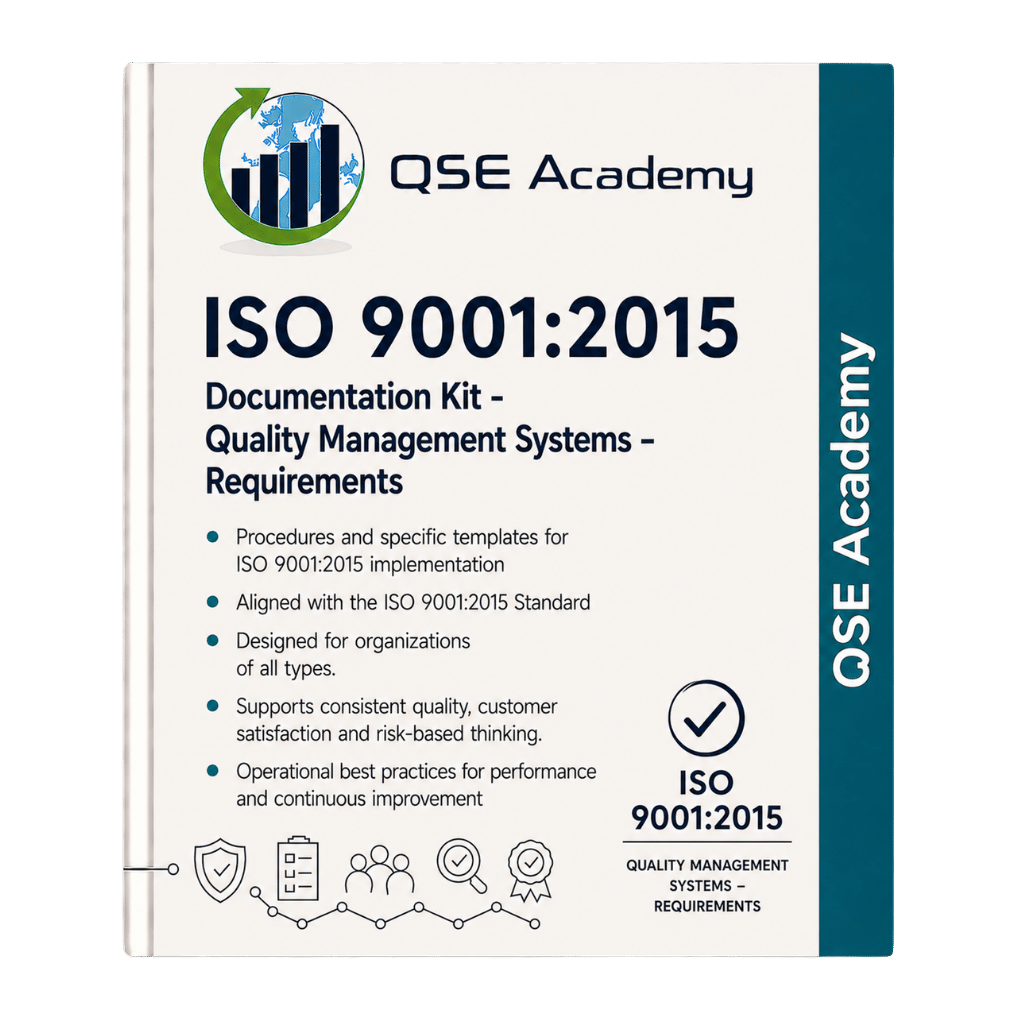
Ready to move from ISO 9001 theory to implementation?
Get the exact tools you need to write your documentation, train your team, map your processes, and pass your audit—without wasted time or guesswork.

👋 Hi, I’m HAFSA, and for the past 12 years, I’ve been on a journey to
make ISO standards less intimidating and more approachable for everyone.
Whether it’s ISO 9001, ISO 22000, or the cosmetics-focused ISO 22716, I’ve spent my career
turning complex jargon into clear, actionable steps that businesses can actually use.
I’m not here to call myself an expert—I prefer “enthusiast” because I truly love what I do.
There’s something incredibly rewarding about helping people navigate food safety and quality management systems
in a way that feels simple, practical, and even enjoyable.
When I’m not writing about standards, you’ll probably find me playing Piano 🎹, connecting with people, or diving into my next big project💫.
I’m an engineer specialized in the food and agricultural industry
I have a Master’s in QHSE management and over 12 years of experience as a Quality Manager
I’ve helped more than 15 companies implement ISO 9001, ISO 22000, ISO 22716, GMP, and other standards
My clients include food producers, cosmetics manufacturers, laboratories, and service companies
I believe quality systems should be simple, useful, and efficient.