
Last Updated on May 15, 2026 by Hafsa J.
Follow QSE Academy on Google
Add us as a preferred source to see our ISO and compliance articles more often in your Google results and Discover.
What is the current ISO 9001 standard?
Have you ever heard about ISO 9001 and wondered what version businesses are currently using? You’re not alone! The current ISO 9001 standard is something that every organization striving for quality management should know about. It’s the go-to framework for businesses worldwide, helping them stay efficient, consistent, and competitive.
ISO 9001 isn’t static—it evolves to keep up with the changing needs of businesses and industries. The current ISO 9001 standard is ISO 9001:2015, a version that’s designed to help organizations navigate modern challenges, like managing risks and improving customer satisfaction, while still keeping things practical and effective.
In this article, we’re going to dive into everything you need to know about the current ISO 9001 standard—why it matters, what it includes, and how it can benefit your business. If you’re ready to learn about how this standard can elevate your operations, let’s get started!
What Is ISO 9001 and Why Is It Updated?
Before we get into the details of the current ISO 9001 standard, let’s take a step back and talk about what ISO 9001 is and why it changes over time. Think of ISO 9001 as the world’s most popular guide to quality management. It’s an internationally recognized standard that helps businesses of all sizes and industries improve the way they operate, deliver consistent quality, and keep their customers happy.
Now, here’s the thing—business environments are constantly changing. Technology evolves, customer expectations shift, and industries face new challenges. To stay relevant, ISO 9001 gets updated periodically. Each revision reflects the latest trends and best practices in quality management, ensuring businesses can tackle modern challenges head-on.
The current ISO 9001 standard—ISO 9001:2015—is the most recent version. It replaced the 2008 edition and introduced some important changes, like a stronger focus on risk management, leadership involvement, and aligning quality management with business strategy. These updates ensure that the standard is practical and useful for today’s businesses.
So, why does this matter? Because staying up to date with the current ISO 9001 standard isn’t just about compliance—it’s about giving your business the tools it needs to thrive in a competitive world. The updates make sure the standard remains a powerful framework for improving efficiency, building trust with customers, and achieving long-term success.
Now that we understand why ISO 9001 evolves, let’s dive into what makes the current ISO 9001 standard unique and how it can benefit your business. Trust me, you’re going to see why so many companies embrace it!
An Overview of the Current ISO 9001 Standard
Let’s take a closer look at what makes the current ISO 9001 standard—ISO 9001:2015—stand out. Whether you’re already familiar with ISO 9001 or just starting to learn about it, understanding this version will help you see why it’s such a powerful tool for modern businesses.
1. The Current Version: ISO 9001:2015
The current ISO 9001 standard, ISO 9001:2015, is the latest version of this globally recognized framework. It replaced the 2008 edition to better align with today’s business needs and challenges.
So, what’s new in this version? One major change is the emphasis on risk-based thinking. Instead of only reacting to issues as they arise, ISO 9001:2015 encourages businesses to proactively identify risks and opportunities. This approach helps organizations stay ahead of potential challenges while continuously improving their processes.
Another highlight is the focus on leadership involvement. The current ISO 9001 standard requires top management to take a more active role in the quality management system (QMS). This ensures that quality goals align with the overall business strategy and that everyone in the organization is working toward the same objectives.
2. Key Principles of the Current ISO 9001 Standard
At its core, the current ISO 9001 standard is built on seven principles that guide businesses toward excellence:
- Customer Focus: Always prioritize the needs and expectations of your customers.
- Leadership: Strong leadership ensures everyone is on the same page about quality goals.
- Engagement of People: Involving employees at all levels strengthens your QMS.
- Process Approach: Streamline activities to make them more efficient and effective.
- Improvement: Constantly look for ways to get better.
- Evidence-Based Decision Making: Use data and analysis to guide your decisions.
- Relationship Management: Build strong, lasting relationships with customers and suppliers.
These principles are the foundation of the current ISO 9001 standard, making it more than just a checklist—it’s a roadmap for running a better business.
3. Structure of the Current ISO 9001 Standard
One of the most noticeable updates in ISO 9001:2015 is its structure. It follows something called the Annex SL framework. Now, I know that sounds a bit technical, but here’s what it means:
The Annex SL structure creates a standardized format for ISO management system standards. This makes it easier for businesses to integrate ISO 9001 with other standards like ISO 14001 (for environmental management) or ISO 45001 (for health and safety).
For example, if your business is already managing environmental compliance, the current ISO 9001 standard can work alongside it seamlessly, saving you time and effort.
Why Does This Matter?
Understanding the current ISO 9001 standard isn’t just about knowing what’s changed—it’s about seeing how these updates can benefit your business. By embracing this version, you’re not only meeting modern quality expectations but also setting your organization up for long-term success.
Next, we’ll explore why it’s so important to stay aligned with the current ISO 9001 standard and what it can do for your business. Let’s keep going!
Why Is It Important to Follow the Current ISO 9001 Standard?
If you’re wondering whether keeping up with the current ISO 9001 standard is really necessary, the answer is a big yes! Following the latest version of ISO 9001 isn’t just about staying compliant—it’s about staying competitive, improving your business processes, and showing your customers you’re serious about quality. Let’s explore why aligning with the current ISO 9001 standard matters so much.
1. Compliance with Updated Requirements
The business world doesn’t stand still, and neither does ISO 9001. The current ISO 9001 standard—ISO 9001:2015—reflects the most up-to-date practices in quality management. By following this version, you ensure your business meets modern expectations and requirements.
If you’re still using an older version of ISO 9001, you might risk losing certification or falling behind competitors who have already transitioned to the latest standard. Staying compliant with the current ISO 9001 standard shows you’re committed to keeping your quality management system (QMS) relevant and effective.
2. Staying Aligned with Industry Trends
One of the biggest benefits of the current ISO 9001 standard is how it addresses today’s business challenges. For example, ISO 9001:2015 emphasizes risk management, customer satisfaction, and leadership involvement—topics that are more critical than ever in a fast-paced, customer-driven world.
By following the current ISO 9001 standard, you’re aligning your business with industry best practices and ensuring you’re prepared to adapt to changes, whether that’s shifting customer expectations or emerging market trends.
3. Gaining a Competitive Edge
Imagine this: You’re competing for a contract or partnership, and one of the requirements is compliance with ISO 9001. If your business is certified under the current ISO 9001 standard, you’re immediately ahead of competitors who might not be up to date.
The latest version of the standard isn’t just about maintaining certification—it’s about showing potential clients and partners that you’re forward-thinking, reliable, and dedicated to quality. In competitive industries, this can make all the difference.
4. Preparing for Future Updates
Here’s a little secret: staying aligned with the current ISO 9001 standard makes it much easier to adapt when the next revision comes along. ISO updates are designed to build on previous versions, so if your QMS is already aligned with ISO 9001:2015, you’re in a great position to transition smoothly to future updates.
Think of it as staying one step ahead. By following the current ISO 9001 standard, you’re not just meeting today’s requirements—you’re also setting yourself up for success in the years to come.
Why Staying Updated Matters
At its core, the current ISO 9001 standard is about helping businesses thrive in a modern, ever-changing world. By aligning with it, you’re not only ensuring compliance but also giving your business the tools it needs to grow, adapt, and succeed.
In the next section, we’ll dive into practical steps you can take to transition to the current ISO 9001 standard and make the most of its benefits. Let’s keep going!
Steps to Transition to the Current ISO 9001 Standard
If you’re ready to align your business with the current ISO 9001 standard, you might be wondering where to start. Transitioning to ISO 9001:2015 doesn’t have to feel overwhelming. By taking it step by step, you can successfully update your quality management system (QMS) and enjoy all the benefits of staying current. Let’s break it down into simple, actionable steps.
1. Conduct a Gap Analysis
The first step is to figure out where you stand. A gap analysis helps you compare your existing QMS to the requirements of the current ISO 9001 standard. Think of it as a checklist that identifies what you’re already doing well and what might need improvement.
For example, are you currently incorporating risk-based thinking into your processes? Does your leadership team play an active role in quality management? A thorough gap analysis will give you a clear roadmap for updating your system to meet ISO 9001:2015 requirements.
2. Update Your Documentation
One of the key aspects of the current ISO 9001 standard is having well-organized and up-to-date documentation. This includes policies, procedures, and records that demonstrate how your QMS meets the standard’s requirements.
But don’t worry—ISO 9001:2015 focuses on simplicity and relevance. You don’t need a mountain of paperwork. Instead, focus on creating documentation that adds value to your processes and supports your goals.
3. Train Your Team
Your team plays a huge role in making the transition to the current ISO 9001 standard successful. It’s important to educate everyone about what ISO 9001:2015 requires and how their roles fit into the updated QMS.
Host training sessions, share resources, and encourage open communication. When your employees understand why these changes matter, they’ll be more engaged and committed to making the transition smooth.
4. Implement the Necessary Changes
Now comes the action step—making updates to your processes, workflows, and systems to align with the current ISO 9001 standard. Whether it’s introducing a risk management process, strengthening leadership involvement, or improving how you gather customer feedback, these changes are the heart of your transition.
Take it one step at a time, and remember that it’s okay to tweak and refine as you go. The goal is to create a system that works for your business and meets the standard’s requirements.
5. Conduct an Internal Audit
Before you move on to the certification audit, it’s a good idea to run an internal audit. This is like a practice round that helps you check whether your QMS meets the current ISO 9001 standard.
During the audit, look for areas where you’re fully compliant and areas that might need some final adjustments. Use this opportunity to address any gaps or non-conformities so you’re fully prepared for the next step.
6. Work with an Accredited Certification Body
The final step in transitioning to the current ISO 9001 standard is to undergo a certification audit conducted by an accredited certification body. Choose a body that’s experienced and well-respected in your industry.
The audit will typically happen in two stages: a review of your documentation and an on-site evaluation of your QMS in action. Once you pass the audit, you’ll officially be certified to the current ISO 9001:2015 standard!
Ready to Make the Transition?
Transitioning to the current ISO 9001 standard might seem like a big task, but by breaking it down into manageable steps, you’ll get there before you know it. Each step brings you closer to a QMS that’s not only compliant but also a powerful tool for improving your business.
So, are you ready to align with the current ISO 9001 standard? Take that first step today, and you’ll be setting your business up for greater efficiency, stronger customer trust, and long-term success. Let’s make it happen!
What’s Next for ISO 9001?
Now that you understand the current ISO 9001 standard and how to transition to it, you might be wondering what the future holds for ISO 9001. Like everything else in business, the standard isn’t set in stone—it evolves to keep pace with global trends, technological advancements, and new challenges. Let’s explore what could be next for ISO 9001 and how you can stay ahead of the curve.
1. Regular Updates to Stay Relevant
The ISO organization typically reviews its standards every few years to ensure they remain practical and beneficial. The current ISO 9001 standard, ISO 9001:2015, introduced big updates like risk-based thinking and a stronger focus on leadership. Future revisions will likely continue this trend, refining and expanding the standard to address emerging business needs.
For example, the next version might place even more emphasis on digital transformation, sustainability, or managing remote workforces—topics that have become increasingly important in today’s world.
2. Emphasis on Sustainability and Social Responsibility
One potential direction for the next ISO 9001 update is integrating sustainability and social responsibility more deeply into the framework. Businesses are under growing pressure to operate responsibly, not just for financial success but also for environmental and social impact.
The current ISO 9001 standard already touches on relationship management and long-term planning, but future updates might expand on how organizations can align their quality management systems with broader sustainability goals.
3. Adapting to Technological Advancements
Technology is evolving at lightning speed, and businesses are constantly adopting new tools and systems to stay competitive. It’s possible that the next ISO 9001 revision will include more detailed guidance on integrating digital technologies into quality management systems.
For instance, future standards might address using AI for process improvement, leveraging big data for decision-making, or implementing cybersecurity measures to protect sensitive information—all while maintaining compliance with the principles of the current ISO 9001 standard.
4. Greater Focus on Agility and Resilience
If there’s one thing the past few years have taught us, it’s the importance of being prepared for the unexpected. Businesses that can adapt quickly to change are the ones that thrive. Future updates to ISO 9001 may place a stronger emphasis on agility and resilience, helping businesses build systems that can weather disruptions while maintaining quality.
This could include expanding on the current ISO 9001 standard’s risk management approach or offering more specific tools for responding to market shifts, supply chain disruptions, or global challenges.
How to Stay Ahead of Future Updates
While it’s impossible to predict every change, there are steps you can take to ensure your business is ready for whatever comes next:
- Stay informed: Keep an eye on announcements from ISO and industry news about potential revisions to the standard.
- Engage with your QMS regularly: Aligning with the current ISO 9001 standard and continuously improving your processes will position you to adapt easily to future changes.
- Leverage professional networks: Joining ISO-related groups or working with consultants can provide insights into upcoming trends and how to prepare for them.
Why Staying Current Is Always Worth It
ISO 9001 is more than just a certification—it’s a commitment to quality, adaptability, and improvement. By staying aligned with the current ISO 9001 standard and keeping an eye on future updates, you’re not only meeting today’s expectations but also building a foundation for success in a constantly changing world.
So, whether you’re already certified or just starting your journey, staying up to date with the current ISO 9001 standard ensures you’ll always be ahead of the curve. After all, being proactive is the best way to keep your business resilient, competitive, and ready for whatever the future holds!
Why Staying Up-to-Date with the Current ISO 9001 Standard Matters
Let’s wrap it all up by talking about why keeping up with the current ISO 9001 standard is so important for businesses like yours. Staying updated isn’t just about meeting requirements—it’s about giving your business the tools it needs to grow, adapt, and thrive.
1. Ensuring Compliance and Certification
If your business is ISO 9001 certified, aligning with the current ISO 9001 standard is non-negotiable. Certification bodies only recognize compliance with the latest version, ISO 9001:2015. Falling behind could mean losing your certification, which can impact your credibility and your ability to work with certain clients or industries.
By staying up-to-date, you’re safeguarding your certification and showing the world that your business meets modern quality standards.
2. Boosting Customer Trust
Customers want to know they’re dealing with a business that’s reliable, consistent, and focused on delivering quality. When you follow the current ISO 9001 standard, you’re sending a clear message that you’re committed to those principles.
This kind of transparency builds trust, strengthens customer loyalty, and gives you an edge over competitors who might not be certified or up-to-date.
3. Staying Competitive in a Changing World
Industries evolve, and businesses that don’t keep up risk being left behind. The current ISO 9001 standard is designed to help you navigate these changes with confidence. By focusing on things like risk management, customer satisfaction, and leadership involvement, ISO 9001:2015 gives your business the agility it needs to stay competitive.
Think of it as a toolkit for success—one that’s always being refined to help you handle whatever comes next.
4. Driving Continuous Improvement
One of the most valuable aspects of the current ISO 9001 standard is its emphasis on continuous improvement. It’s not about achieving perfection—it’s about constantly looking for ways to get better.
Whether that’s streamlining your processes, improving how you handle customer feedback, or reducing waste, ISO 9001 pushes your business to evolve and grow. Staying aligned with the latest version keeps that momentum going.
5. Future-Proofing Your Business
By staying aligned with the current ISO 9001 standard, you’re setting yourself up for long-term success. Not only does it make it easier to adapt to future updates, but it also ensures your business is always operating at its best.
In a world where customer expectations, technology, and industry demands are always shifting, staying current is the best way to stay ahead.
Final Thoughts
At the end of the day, the current ISO 9001 standard isn’t just about compliance—it’s about helping your business become the best it can be. By staying updated, you’re investing in quality, efficiency, and trust—things that every successful business needs to thrive.
So, if you haven’t already transitioned to the current ISO 9001 standard, now is the perfect time to make it happen. Whether you’re new to ISO 9001 or looking to update your QMS, aligning with the latest version is a step toward building a stronger, more resilient business. You’ve got this! Let’s move forward together.
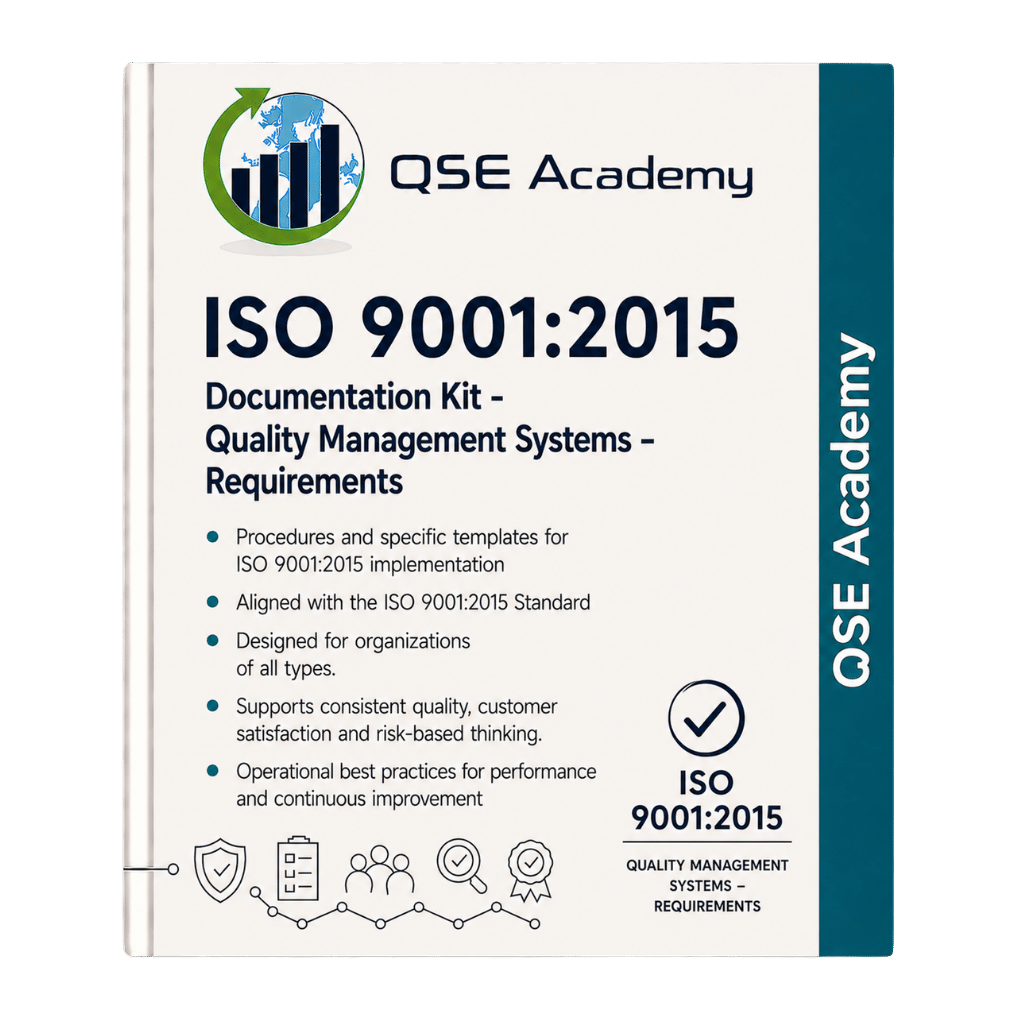
Ready to move from ISO 9001 theory to implementation?
Get the exact tools you need to write your documentation, train your team, map your processes, and pass your audit—without wasted time or guesswork.

👋 Hi, I’m HAFSA, and for the past 12 years, I’ve been on a journey to
make ISO standards less intimidating and more approachable for everyone.
Whether it’s ISO 9001, ISO 22000, or the cosmetics-focused ISO 22716, I’ve spent my career
turning complex jargon into clear, actionable steps that businesses can actually use.
I’m not here to call myself an expert—I prefer “enthusiast” because I truly love what I do.
There’s something incredibly rewarding about helping people navigate food safety and quality management systems
in a way that feels simple, practical, and even enjoyable.
When I’m not writing about standards, you’ll probably find me playing Piano 🎹, connecting with people, or diving into my next big project💫.
I’m an engineer specialized in the food and agricultural industry
I have a Master’s in QHSE management and over 12 years of experience as a Quality Manager
I’ve helped more than 15 companies implement ISO 9001, ISO 22000, ISO 22716, GMP, and other standards
My clients include food producers, cosmetics manufacturers, laboratories, and service companies
I believe quality systems should be simple, useful, and efficient.