
Last Updated on May 15, 2026 by Hafsa J.
What is ISO 9001 2015 as a Quality Management Systems?
Have you ever wondered how some businesses consistently deliver high-quality products and services, while others seem to struggle? The secret often lies in their processes—and that’s where ISO 9001:2015 comes in. But what is ISO 9001 2015, exactly? Let me break it down for you.
ISO 9001:2015 is an international standard for Quality Management Systems (QMS). In plain terms, it’s a set of guidelines that helps businesses ensure they’re doing things the right way—every time. Whether it’s improving customer satisfaction, boosting efficiency, or reducing mistakes, ISO 9001:2015 provides a framework that businesses can use to consistently deliver high-quality results.
But here’s the cool part: ISO 9001:2015 isn’t just for big companies with endless resources. It’s designed to work for businesses of all sizes and industries. From a local bakery to a global tech firm, anyone can benefit from this standard. And the “2015” in the name? That just refers to the most recent version of the standard, which comes with updates to make it even more relevant in today’s fast-paced world.
In this article, we’ll explore what is ISO 9001 2015 in more detail, why it matters, and how it can help businesses thrive. Whether you’re curious about implementing it yourself or just want to understand why it’s such a big deal, stick around—we’ve got plenty to cover!
Understanding What is ISO 9001 2015
Let’s dive a little deeper into what is ISO 9001 2015 and why it’s such a cornerstone for businesses aiming to improve quality and efficiency. At its heart, ISO 9001:2015 is all about creating a system—a Quality Management System (QMS), to be precise—that helps organizations deliver consistent, high-quality results. But what makes it so special? Let’s break it down step by step.
The Basics of ISO 9001:2015
In simple terms, ISO 9001:2015 is a global standard that provides guidelines for setting up and maintaining a QMS. Think of it as a playbook for running your business efficiently and meeting customer expectations consistently. The “2015” part refers to the year it was last updated, ensuring it stays relevant in today’s business environment.
What sets ISO 9001:2015 apart is its flexibility. Unlike a one-size-fits-all approach, it can be tailored to suit your business’s unique needs. Whether you’re a small startup or a multinational corporation, ISO 9001:2015 is designed to work for you.
For example, imagine you run a manufacturing company. With ISO 9001:2015, you’ll have clear processes in place to ensure your products meet quality standards every time they leave the factory. The same applies if you’re in service industries—your customers will experience consistent, top-notch service, which can boost their trust and loyalty.
The Key Principles Behind ISO 9001:2015
To really understand what is ISO 9001 2015, it helps to know the core principles it’s built on. These seven principles act as the foundation for everything the standard stands for:
- Customer Focus: The ultimate goal is to meet or exceed customer expectations. Happy customers = happy business.
- Leadership: Strong leadership ensures everyone in your organization is aligned and working toward the same quality goals.
- Engagement of People: When your team is involved and motivated, great things happen.
- Process Approach: ISO 9001:2015 emphasizes understanding and managing your processes to achieve consistent results.
- Improvement: Continuous improvement is a big deal—because who doesn’t want to get better every day?
- Evidence-Based Decision Making: Decisions should be based on data, not guesswork.
- Relationship Management: Building strong relationships with customers, suppliers, and partners is key to long-term success.
These principles aren’t just theory—they’re practical ideas that can transform the way your business operates.
Who Can Benefit from ISO 9001:2015?
The beauty of ISO 9001:2015 is that it’s incredibly versatile. It’s not limited to a specific industry or type of organization. So, whether you’re running a tech startup, a retail store, a hospital, or even a nonprofit, you can benefit from adopting this standard.
For instance, a small bakery could use ISO 9001:2015 to standardize its baking processes, ensuring every loaf of bread meets the same high-quality standard. On the other hand, a global shipping company could rely on it to streamline logistics, minimize delays, and keep customers happy.
Ultimately, what is ISO 9001 2015 all about? It’s about helping businesses of all shapes and sizes build a system that delivers quality, drives improvement, and creates happy customers. And that’s something every organization can benefit from, right?
Next, we’ll explore the specific requirements of ISO 9001:2015 and how they help businesses stay organized and ahead of the competition. Stay tuned—there’s more to uncover!
Key Requirements of ISO 9001:2015
Now that we have a solid understanding of what is ISO 9001 2015, let’s talk about the specific requirements that make this standard such an effective tool for managing quality. Don’t worry—it’s not as complicated as it sounds. ISO 9001:2015 is built around a clear structure that guides businesses in creating and maintaining a Quality Management System (QMS). Let’s break it down step by step.
The Structure of ISO 9001:2015: What’s Inside?
One of the first things to know about ISO 9001:2015 is its structure. It’s based on the Annex SL framework, which is a fancy way of saying it’s organized in a logical, standardized format. This makes it easier to integrate with other ISO standards if your business ever expands into areas like environmental or information security management.
ISO 9001:2015 is divided into 10 main clauses, but don’t let that intimidate you. Not all clauses contain requirements—some are just there to set the stage. The ones that do matter focus on the core elements of a QMS, including:
- Context of the Organization: Understanding your business, its goals, and the needs of stakeholders.
- Leadership: How management leads and supports the QMS.
- Planning: Identifying risks, opportunities, and objectives to drive quality.
- Support: Ensuring resources, training, and communication are in place.
- Operation: Managing processes to meet customer requirements.
- Performance Evaluation: Monitoring, measuring, and improving your system.
When you follow these clauses, you’re essentially building a roadmap to consistent quality and continual improvement.
Risk-Based Thinking: A Game-Changer in ISO 9001:2015
One of the biggest updates in ISO 9001:2015 is its emphasis on risk-based thinking. So, what does that mean? Instead of waiting for problems to happen and then scrambling to fix them, this approach encourages you to anticipate potential risks and address them proactively.
For example, let’s say you run a small manufacturing company. Instead of waiting for a machine to break down and disrupt production, ISO 9001:2015 pushes you to evaluate risks in advance. You might create a maintenance schedule or invest in backup equipment to avoid downtime.
This proactive mindset isn’t just about avoiding problems—it’s also about spotting opportunities. Maybe you notice a way to improve a process or offer a better product. That’s all part of the ISO 9001:2015 approach to risk management.
Documentation Requirements in ISO 9001:2015
You might be wondering, “Does ISO 9001:2015 require a ton of paperwork?” Not exactly! The standard has moved away from excessive documentation, focusing instead on “documented information” that’s relevant and helpful.
Here’s what that looks like in practice:
- Policies and Procedures: Documents like a quality policy or process flowcharts help guide your team.
- Records: These prove you’re following the processes—think inspection reports, training logs, or customer feedback.
- Control of Documents: Ensuring only the latest, approved versions are used to avoid confusion.
For instance, if you’re answering an audit question about your complaint-handling process, you should be able to easily pull up a controlled document that outlines exactly how your team manages customer issues. This keeps things organized and ensures compliance with ISO 9001:2015.
How These Requirements Work Together
Each requirement of ISO 9001:2015 plays a role in creating a system that works seamlessly. When you follow the structure, embrace risk-based thinking, and maintain clear documentation, you’re building a QMS that’s not only compliant but also incredibly effective.
This is the essence of what is ISO 9001 2015—it’s a set of practical, actionable requirements that help businesses run smarter, more efficiently, and with a focus on delivering quality every single time.
In the next section, we’ll talk about the benefits of implementing ISO 9001:2015 and why businesses around the world swear by it. Spoiler: It’s not just about certification—it’s about transformation!
Benefits of Implementing ISO 9001:2015
Now that you know what is ISO 9001 2015 and how it works, let’s talk about why it’s worth the effort. Spoiler alert: the benefits go way beyond just getting certified. Implementing ISO 9001:2015 can transform your business in ways that improve efficiency, boost customer satisfaction, and even give you a leg up on the competition. Let’s break it down.
1. Improved Operational Efficiency
Have you ever felt like your business is wasting time or resources on unnecessary steps? That’s where ISO 9001:2015 comes to the rescue. One of its biggest benefits is helping you streamline your processes.
By following the standard’s structured approach, you’ll identify inefficiencies, cut down on waste, and create a more organized workflow. For example, you might discover that a step in your production line can be automated, saving time and reducing errors. With ISO 9001:2015, everything runs like a well-oiled machine.
And let’s not forget the time you’ll save when everyone knows exactly what to do, thanks to clear procedures and controlled documents. That’s the beauty of a Quality Management System built around ISO 9001:2015.
2. Enhanced Customer Satisfaction
At its core, ISO 9001:2015 is all about keeping your customers happy. It encourages you to understand their needs and consistently meet (or exceed) their expectations. Happy customers are loyal customers, and loyal customers are the key to long-term success.
For instance, let’s say you’re a service provider. By implementing ISO 9001:2015, you’ll have clear processes in place for handling inquiries, resolving complaints, and delivering your services on time. Customers notice this level of professionalism, and it builds trust.
Plus, when you adopt risk-based thinking (a hallmark of what is ISO 9001 2015), you’re proactively addressing potential issues before they affect your customers. That means fewer complaints and more glowing reviews.
3. Global Recognition and Competitive Advantage
Here’s something you might not have realized: ISO 9001:2015 is recognized worldwide. That means having an ISO 9001 certification isn’t just a badge of honor—it’s a signal to potential customers, suppliers, and partners that you’re serious about quality.
Think about it: if you were choosing between two suppliers and one of them was ISO 9001:2015 certified, wouldn’t you feel more confident going with the certified option? That’s the power of this standard. It boosts your credibility and can even open doors to new markets where ISO certification is a requirement.
4. Continuous Improvement Culture
One of the most valuable aspects of ISO 9001:2015 is that it doesn’t let you rest on your laurels. It’s designed to create a culture of continuous improvement within your organization.
You’re always monitoring, measuring, and analyzing your performance to find ways to get better. Maybe you notice that customer feedback highlights a recurring issue, or your team spots an opportunity to make a process more efficient. With ISO 9001:2015, you’re not just maintaining quality—you’re constantly raising the bar.
5. Reduced Risks and Cost Savings
Implementing ISO 9001:2015 isn’t just about preventing mistakes—it’s also about saving money. By identifying risks and addressing them proactively, you can avoid costly errors, product recalls, or service disruptions.
For example, a manufacturer using ISO 9001:2015 might identify a potential bottleneck in production and take steps to fix it before it causes delays. Or a service provider might develop a clear process for resolving customer complaints, reducing the risk of losing valuable clients. Over time, these small changes add up to big savings.
6. Easier Audits and Regulatory Compliance
Let’s be honest—no one loves audits. But with ISO 9001:2015, they’re a lot less stressful. The standard helps you maintain clear documentation and organized records, so when auditors come knocking, you’ll be ready.
For example, if you’re in an industry with strict regulations, ISO 9001:2015 can help you stay compliant by ensuring your processes are always up to standard. This can save you from penalties, fines, or worse.
Why It’s Worth It
When you think about what is ISO 9001 2015, it’s not just a set of rules to follow—it’s a framework that can truly transform your business. From happier customers to smoother operations and even cost savings, the benefits are hard to ignore.
Next up, we’ll talk about how to actually implement ISO 9001:2015 in your business and take that first step toward building a stronger, more efficient organization. Stay tuned—you’ve got this!
Steps to Implement ISO 9001:2015
So, now that we know what is ISO 9001 2015 and the amazing benefits it can bring to your business, you might be wondering: how do you actually put it into action? Don’t worry—it’s not as overwhelming as it might seem. With a step-by-step approach, you can build a Quality Management System (QMS) that fits your organization perfectly. Let’s break it down together.
1. Conduct a Gap Analysis
Before diving in, it’s essential to take a step back and look at where you are right now. A gap analysis helps you compare your current processes to the requirements of ISO 9001:2015.
Think of it like a checklist: What’s already in place, and what’s missing? For example:
- Do you already have documented procedures for key processes?
- Are you tracking customer satisfaction effectively?
- Are your processes clearly aligned with quality objectives?
This step will give you a clear picture of what needs to be improved or added to meet the ISO 9001:2015 requirements.
2. Develop an Implementation Plan
Once you’ve identified the gaps, it’s time to create a plan to address them. This doesn’t have to be complicated! Start with these key steps:
- Set clear goals for your QMS. What do you want to achieve with ISO 9001:2015? Improved efficiency? Higher customer satisfaction?
- Create a timeline for implementation. Break the process into manageable phases to avoid feeling overwhelmed.
- Assign responsibilities. Who will lead the charge? Consider creating a small team to oversee the implementation.
A solid plan ensures you stay organized and focused as you work toward ISO 9001:2015 certification.
3. Train and Engage Your Team
Here’s the thing: implementing ISO 9001:2015 isn’t just about documents and processes—it’s about people. Your team plays a crucial role in making this work, so it’s important to get everyone on board.
Start by explaining what is ISO 9001 2015 and why it matters. Show your employees how the standard will benefit them, whether it’s reducing frustrations from unclear processes or giving them the tools they need to succeed.
Then, provide training on specific aspects of the QMS. For example:
- How to follow new procedures or processes.
- The importance of risk-based thinking and how they can contribute.
- How to document and report issues for continuous improvement.
Engaged and informed employees are the key to a successful QMS.
4. Document Your Processes
ISO 9001:2015 places a strong emphasis on “documented information,” but don’t worry—it’s not about drowning in paperwork. Instead, focus on creating useful, practical documents that guide your team and demonstrate compliance.
Some key documents to develop include:
- A quality policy that reflects your business goals.
- Standard operating procedures (SOPs) for key processes.
- Records that show how you’re meeting customer requirements, like inspection logs or training records.
Clear, well-organized documentation is the backbone of your ISO 9001:2015 system.
5. Implement and Test Your System
With your processes in place and your team trained, it’s time to put your QMS into action. Start by rolling out your new procedures and tools, and give your team time to adjust.
During this phase, it’s important to monitor how well your system is working. Are there any roadblocks? Is everyone following the processes? Regular check-ins and feedback sessions can help you fine-tune your system and make improvements as needed.
6. Conduct Internal Audits
Before going for certification, you’ll want to make sure your QMS is working as intended. Internal audits are a great way to identify any areas that need improvement and ensure you’re fully compliant with ISO 9001:2015.
During an internal audit, review key elements like:
- Are all processes aligned with the standard?
- Are controlled documents up to date and accessible?
- Are risks being identified and managed effectively?
This step not only prepares you for the certification audit but also helps you build confidence in your system.
7. Get Certified
The final step in your ISO 9001:2015 journey is the certification audit. This is conducted by an external certification body, which will evaluate your QMS to ensure it meets the standard’s requirements.
If everything checks out, congratulations—you’re ISO 9001:2015 certified! This isn’t just a badge to hang on the wall; it’s a testament to your commitment to quality and a powerful tool for winning over customers and partners.
A Journey Worth Taking
Implementing ISO 9001:2015 might take some effort, but the rewards are absolutely worth it. With a well-designed QMS, you’ll streamline operations, improve customer satisfaction, and position your business for long-term success.
If you’re still wondering what is ISO 9001 2015, think of it as more than just a standard—it’s a roadmap to a stronger, smarter, and more resilient organization. Ready to take the first step? Let’s make it happen!
Common Misconceptions About ISO 9001:2015
As we’ve explored what is ISO 9001 2015 and how it works, you might still have a few hesitations. After all, there are plenty of misconceptions about ISO 9001:2015 that can make it seem intimidating or even unnecessary. Let’s clear the air and tackle some of the most common myths. Spoiler alert: ISO 9001:2015 isn’t as complicated or exclusive as you might think!
Myth 1: ISO 9001:2015 Is Only for Big Businesses
This is one of the biggest misconceptions out there. Many people think ISO 9001:2015 is just for large corporations with big budgets and endless resources. But here’s the truth: the standard is designed to be flexible and can work for businesses of all sizes, from mom-and-pop shops to multinational giants.
For example, a small bakery can use ISO 9001:2015 to standardize its baking processes, reduce waste, and keep customers coming back for perfectly baked treats every time. It’s not about the size of your business—it’s about improving your processes and delivering consistent quality.
Myth 2: ISO 9001:2015 Is All About Paperwork
When people hear about the documentation requirements, they often imagine piles of paperwork. But in reality, ISO 9001:2015 has moved away from the overly rigid systems of the past. It focuses on “documented information” that’s relevant and useful, not just paperwork for the sake of paperwork.
For instance, you don’t need to create a 50-page procedure for every task. Instead, focus on maintaining practical documents like work instructions, training records, or a quality policy that guides your team. These documents aren’t just for auditors—they’re tools to help your business run more smoothly.
Myth 3: ISO 9001:2015 Doesn’t Add Real Value
Another common myth is that ISO 9001:2015 is just about getting certified to please auditors or customers, but it doesn’t actually improve anything. This couldn’t be further from the truth.
At its core, ISO 9001:2015 is about making your business better. By focusing on things like risk management, customer satisfaction, and continuous improvement, you’re building a system that helps your business thrive.
For example, a company might use ISO 9001:2015 to identify inefficiencies in its production line. By addressing these issues, they not only meet the standard but also reduce costs and improve delivery times—real, tangible benefits.
Myth 4: ISO 9001:2015 Is Too Complicated
Yes, ISO 9001:2015 has technical aspects, but it’s not as overwhelming as it might seem at first glance. The standard is designed to be practical and straightforward. Plus, there’s plenty of guidance available to help you understand and implement it effectively.
Think of it like learning to drive a car. At first, it might feel complicated with all the rules and procedures, but once you practice and get the hang of it, it becomes second nature. The same goes for implementing ISO 9001:2015—it might take some effort upfront, but the payoff is well worth it.
Myth 5: ISO 9001:2015 Is Only About Certification
While getting certified is a big milestone, ISO 9001:2015 is about much more than hanging a certificate on your wall. It’s about creating a culture of quality and continuous improvement within your organization.
Even if you decide not to pursue certification, the principles and practices of ISO 9001:2015 can still add incredible value to your business. It’s a tool for improving processes, meeting customer expectations, and staying competitive in a fast-changing market.
Setting the Record Straight
When you really understand what is ISO 9001 2015, it becomes clear that these misconceptions don’t hold up. The standard isn’t just for big businesses, it’s not all about paperwork, and it definitely adds value to organizations of all sizes.
So, if you’ve been hesitant about ISO 9001:2015 because of these myths, I hope this clears things up. In the next section, we’ll wrap up everything we’ve discussed and highlight the key takeaways to help you decide if ISO 9001:2015 is the right fit for your business. Spoiler: it probably is!
Conclusion: What is ISO 9001 2015 and Why Does It Matter?
So, let’s wrap it all up. By now, you have a clear understanding of what is ISO 9001 2015 and why it’s such a game-changer for businesses. It’s not just about meeting requirements or ticking boxes for certification—it’s about creating a smarter, more efficient, and customer-focused organization.
ISO 9001:2015 provides a framework that helps businesses deliver consistent quality, improve operations, and build trust with customers. It’s built on principles like leadership, risk-based thinking, and continuous improvement, which all work together to make your business stronger and more resilient. Whether you’re running a small business or managing a large enterprise, ISO 9001:2015 is designed to work for you.
Why ISO 9001:2015 Is Worth It
The benefits of implementing ISO 9001:2015 go far beyond certification. It’s about:
- Consistency: Ensuring every product or service meets the same high-quality standards.
- Efficiency: Streamlining processes to save time, money, and resources.
- Customer Satisfaction: Building trust by meeting and exceeding customer expectations.
- Global Recognition: Gaining credibility and opening doors to new opportunities.
And let’s not forget the culture of continuous improvement it creates. With ISO 9001:2015, you’re not just maintaining your current standards—you’re constantly raising the bar.
Is ISO 9001:2015 Right for You?
If you’re still wondering what is ISO 9001 2015 and whether it’s the right fit for your business, ask yourself this:
- Do you want to improve the way your business operates?
- Are you looking to deliver consistent quality to your customers?
- Would you like to boost your credibility and gain a competitive edge?
If you answered yes to any of these, ISO 9001:2015 is definitely worth exploring. It’s a proven system that’s helped businesses around the world succeed, and it could do the same for you.
Taking the First Step
Ready to get started? Whether you’re just beginning to learn about ISO 9001:2015 or you’re ready to dive into implementation, the journey might feel challenging, but it’s also incredibly rewarding. Remember, it’s not about perfection—it’s about progress. Every step you take toward building a better Quality Management System is a step toward building a stronger, more successful business.
So, now that you know what is ISO 9001 2015, what’s stopping you? Take that first step, and watch your business thrive!
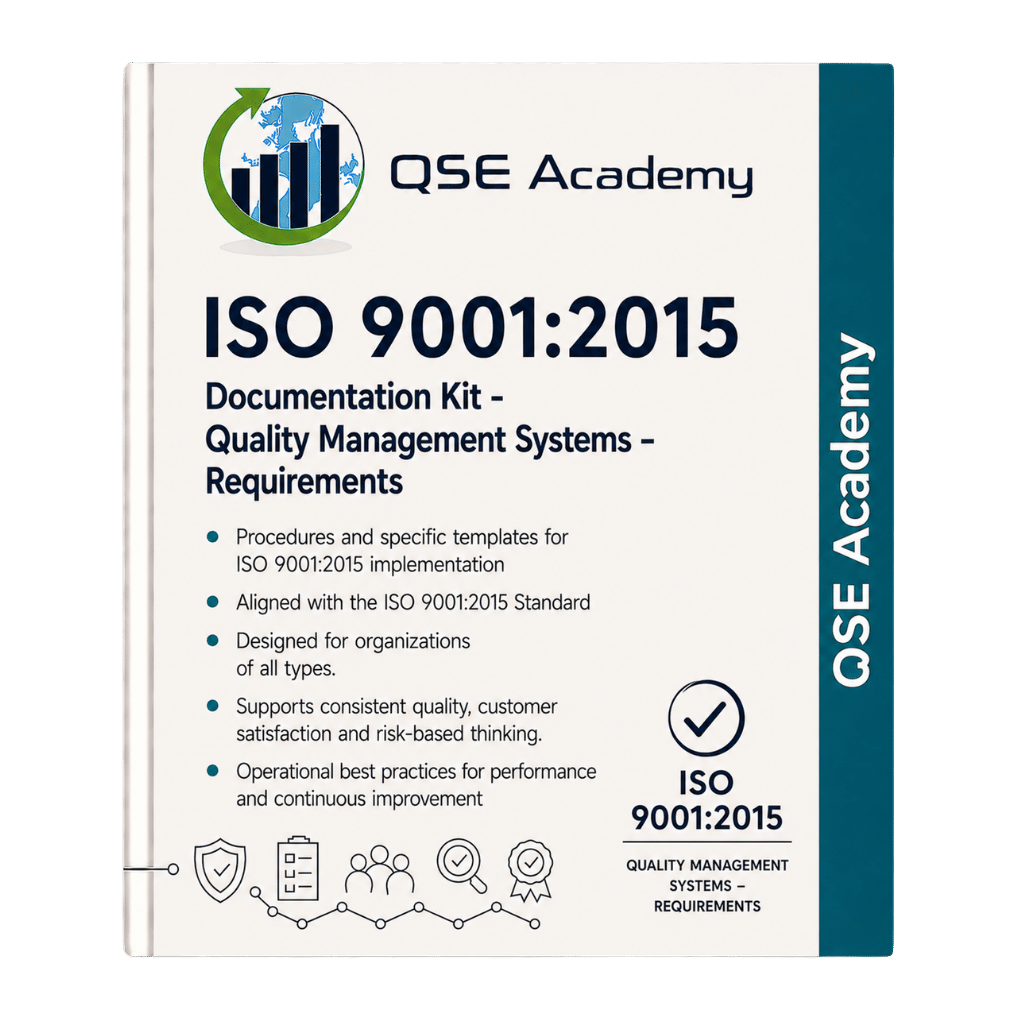
Ready to move from ISO 9001 theory to implementation?
Get the exact tools you need to write your documentation, train your team, map your processes, and pass your audit—without wasted time or guesswork.

make ISO standards less intimidating and more approachable for everyone.
Whether it’s ISO 9001, ISO 22000, or the cosmetics-focused ISO 22716, I’ve spent my career
turning complex jargon into clear, actionable steps that businesses can actually use.
I’m not here to call myself an expert—I prefer “enthusiast” because I truly love what I do.
There’s something incredibly rewarding about helping people navigate food safety and quality management systems
in a way that feels simple, practical, and even enjoyable.
When I’m not writing about standards, you’ll probably find me playing Piano 🎹, connecting with people, or diving into my next big project💫.
I’m an engineer specialized in the food and agricultural industry
I have a Master’s in QHSE management and over 12 years of experience as a Quality Manager
I’ve helped more than 15 companies implement ISO 9001, ISO 22000, ISO 22716, GMP, and other standards
My clients include food producers, cosmetics manufacturers, laboratories, and service companies
I believe quality systems should be simple, useful, and efficient.