Last Updated on May 15, 2026 by Hafsa J.
Follow QSE Academy on Google
Add us as a preferred source to see our ISO and compliance articles more often in your Google results and Discover.
What is involved in the ISO 9001 audit?
If you’ve ever heard about ISO 9001 certification, you probably know that audits play a big role in the process. But what exactly is involved in the ISO 9001 audit? Don’t worry—it’s not as intimidating as it sounds! The ISO 9001 audit is essentially a way to check that a company’s quality management system (QMS) meets the requirements of the ISO 9001 standard. Think of it as a thorough health check for your business processes to ensure everything is running smoothly and delivering consistent quality.
Audits are key to achieving and maintaining ISO 9001 certification. They help identify areas where your business is excelling and areas where there’s room for improvement. Whether it’s an internal audit to prepare your team or a formal external audit conducted by a certification body, each step is designed to help your organization grow and succeed.
In this article, we’ll break down everything involved in the ISO 9001 audit, from what auditors look for to how the process unfolds. By the end, you’ll feel confident about what to expect and how to prepare for a smooth and successful audit experience. Let’s dive in!
What is the ISO 9001 Audit?
Before diving into the specifics of what’s involved in the ISO 9001 audit, let’s take a moment to understand what the audit itself is all about. Simply put, the ISO 9001 audit is a systematic examination of your organization’s quality management system (QMS). It’s designed to ensure that your processes align with the requirements of the ISO 9001 standard and that your business is consistently delivering quality to customers.
Why is the Audit Necessary?
At its core, the ISO 9001 audit is all about accountability. It’s not just a box you check to get certified—it’s a way to validate that your systems are working as intended. Whether it’s an internal audit or an external one, the goal is to ensure your business is adhering to best practices for quality management. By undergoing this process, you’re not only improving your operations but also demonstrating your commitment to excellence to customers and stakeholders.
So, what’s involved in the ISO 9001 audit? A lot of it comes down to looking at your organization’s documentation, observing how processes are carried out, and identifying areas where things might not fully align with the ISO 9001 requirements. But don’t worry—auditors aren’t there to criticize. They’re there to help identify gaps and guide you toward improvement.
Types of ISO 9001 Audits
There are a few different kinds of audits involved in the ISO 9001 process, each with its own purpose:
- Internal Audits: These are conducted by your own team (or an internal auditor you hire) to prepare for the external audit. Think of this as a practice run—it’s your chance to identify and address any nonconformances before the certification body steps in.
- External Audits: These are performed by a third-party certification body. This is the official audit that determines whether your organization meets the ISO 9001 standard and can earn certification.
- Surveillance Audits: Once you’re certified, you’ll need to undergo periodic surveillance audits to ensure you’re still in compliance. These are usually conducted annually and focus on specific areas of your QMS.
Each type of audit plays a unique role in the ISO 9001 process. Together, they create a cycle of continuous improvement, helping your organization not only meet the standard but also maintain and enhance your quality management practices over time.
Now that we’ve covered the basics of what the ISO 9001 audit is, let’s dive into the specific steps involved in the ISO 9001 audit process. Understanding how it all works can help you feel more prepared and confident as you approach your own audit!
What is Involved in the ISO 9001 Audit Process?
Now that we know what the ISO 9001 audit is, let’s get into the nitty-gritty of what’s actually involved in the ISO 9001 audit process. Whether it’s your first audit or part of your ongoing certification journey, knowing the steps can help you approach it with confidence and clarity. Let’s break it down into manageable phases.
Pre-Audit Preparation
The first step involved in the ISO 9001 audit is preparation. This is where your team sets the stage for a successful audit by reviewing everything that makes up your quality management system (QMS).
Here’s what’s typically involved:
- Define the Scope of the Audit: This means clarifying what areas, processes, and departments will be audited.
- Gather Documentation: Auditors will review key documents like your quality manual, policies, objectives, and records. Ensure these are up-to-date, well-organized, and reflect how your QMS operates.
- Prepare Employees: Everyone in your organization plays a role in the QMS. Make sure your team understands their responsibilities and can confidently answer questions about their processes during the audit.
This preparation phase helps ensure that you’re not caught off guard during the audit and sets a strong foundation for success.
The Audit Phases
The actual audit process can feel a bit like a series of steps designed to examine how your QMS is working in real time. Here’s what’s typically involved in the ISO 9001 audit:
- Opening Meeting:
- The audit begins with an opening meeting where the auditor introduces themselves, explains the scope and objectives of the audit, and sets expectations for the process. This is a good time to ask any last-minute questions or clarify the auditor’s approach.
- Document Review:
- The auditor will then dive into your organization’s documentation. They’ll examine your quality manual, standard operating procedures, and any other records to confirm they meet the requirements of the ISO 9001 standard.
- Process Observation:
- Next comes the hands-on part. The auditor will observe your processes in action, visit different departments, and interview employees to see how your QMS is applied in practice. This is where they check for alignment between what’s documented and what’s actually happening on the ground.
- Nonconformance Identification:
- If the auditor spots areas where your processes don’t meet the requirements of ISO 9001, these are called nonconformances. Don’t worry—this isn’t a bad thing! Nonconformances are simply opportunities to improve. The auditor will document these findings and provide recommendations for addressing them.
- Closing Meeting:
- At the end of the audit, there’s a closing meeting where the auditor summarizes their findings. They’ll highlight strengths, discuss nonconformances, and provide a clear action plan for moving forward.
After the Audit: Corrective Actions and Improvements
What happens after the audit? If nonconformances are identified, your organization will need to address them by implementing corrective actions. This is a chance to refine your processes, strengthen your QMS, and demonstrate your commitment to continuous improvement.
Once corrective actions are in place, you may undergo a follow-up audit to confirm that the issues have been resolved. Successfully completing this step is often the final piece involved in the ISO 9001 audit process before certification (or recertification) is granted.
The ISO 9001 audit process may seem detailed, but it’s designed to help your organization grow and improve. By understanding what’s involved in the ISO 9001 audit, you can approach it with confidence and turn it into a valuable opportunity to enhance your quality management practices. In the next section, we’ll explore common challenges during audits and how to overcome them—so stay tuned!
Common Challenges During an ISO 9001 Audit
If you’ve ever wondered what’s involved in the ISO 9001 audit and thought, “This sounds a bit overwhelming,” you’re not alone! Many organizations face challenges during the process, but the good news is that these hurdles are manageable with the right preparation. Let’s talk about some of the most common issues businesses encounter and how you can overcome them with ease.
1. Documentation Gaps
One of the most common challenges involved in the ISO 9001 audit is missing or incomplete documentation. Since auditors rely heavily on your records to evaluate your quality management system (QMS), gaps in documentation can raise red flags.
For example, if your quality manual hasn’t been updated in years or your procedures don’t reflect what’s actually happening on the ground, it could lead to a nonconformance. The solution? Make sure your documents are clear, current, and accessible well before the audit. Regular internal reviews can help you catch and fix these issues early.
2. Lack of Employee Awareness
Another challenge that often pops up during an ISO 9001 audit is employees not fully understanding their role in the QMS. Auditors may interview team members to gauge how well processes are being followed, and if employees are unsure of their responsibilities, it could cause concern.
To address this, involve your team in the preparation process. Host training sessions, hold Q&A sessions, and ensure that everyone understands not only what they need to do but also why it matters. When employees are confident and informed, it makes the audit smoother for everyone.
3. Process Inconsistencies
A common issue involved in the ISO 9001 audit is inconsistency across departments or teams. For instance, one team might be following documented procedures perfectly, while another is using an improvised method. These inconsistencies can signal to auditors that your QMS isn’t fully integrated across your organization.
The fix? Conduct regular internal audits to identify and address inconsistencies before the external audit. Use these internal audits to align processes, provide feedback, and ensure everyone is following the same playbook.
4. Fear of Nonconformances
Let’s be honest—no one likes hearing that something isn’t quite right. Many organizations feel anxious about the possibility of nonconformances being identified during the audit. However, it’s important to remember that nonconformances aren’t failures; they’re opportunities to improve.
If the auditor identifies a nonconformance, don’t panic. Work with your team to understand the root cause, implement corrective actions, and see it as a chance to strengthen your QMS. Auditors appreciate when businesses take feedback seriously and use it to grow.
5. Time Constraints
Another challenge involved in the ISO 9001 audit is finding the time to properly prepare. Between running day-to-day operations and organizing for the audit, it can feel like there’s never enough time to do it all.
To avoid a last-minute scramble, start your preparation early. Break the process into smaller tasks, assign responsibilities to different team members, and set deadlines for each step. This way, you’ll be ready for the audit without feeling overwhelmed.
How to Turn Challenges Into Opportunities
The key to overcoming challenges involved in the ISO 9001 audit is to see them as opportunities for growth. Every hurdle is a chance to refine your processes, strengthen your team, and improve your overall quality management system. With a proactive approach, these challenges can become stepping stones to a successful audit and long-term business success.
In the next section, we’ll share practical tips to ensure your audit experience goes as smoothly as possible. Let’s keep the momentum going!
Tips for a Successful ISO 9001 Audit
Now that you know what’s involved in the ISO 9001 audit and the common challenges businesses face, let’s focus on how to make the process as smooth as possible. With a little preparation and the right mindset, the audit can be an opportunity to showcase your organization’s strengths and identify areas for improvement. Here are some practical tips to help you succeed during the ISO 9001 audit.
1. Conduct Regular Internal Audits
One of the best ways to prepare for an external audit is by conducting regular internal audits. Internal audits allow you to review your quality management system (QMS) and ensure everything is working as it should. They also help you spot and address any potential nonconformances before the formal audit begins.
Think of internal audits as your practice run. By identifying gaps and fixing them ahead of time, you’ll feel much more confident when it’s time for the real deal. Plus, regular internal audits show that you’re serious about maintaining high standards, which auditors will appreciate.
2. Organize Your Documentation
Since documentation plays a big role in what’s involved in the ISO 9001 audit, keeping it organized and up-to-date is essential. Auditors will want to see records like your quality manual, policies, objectives, and operational procedures, so make sure everything is easy to access.
A great tip is to create a central repository for your documents, whether it’s a digital system or a physical filing system. Assign someone to regularly review and update these documents to ensure they reflect your current processes. When your documentation is clear and well-maintained, it sets a positive tone for the audit.
3. Prepare Your Team
Your employees are a vital part of what’s involved in the ISO 9001 audit. Auditors may interview team members to see how well they understand their roles in the QMS, so it’s important that everyone feels confident and informed.
Hold training sessions to explain the purpose of the audit and how it impacts their work. Use these sessions to answer questions, clarify responsibilities, and encourage open communication. When your team feels prepared and supported, it creates a strong, united front during the audit.
4. Be Transparent and Honest
Auditors aren’t expecting perfection—they’re looking for evidence that you’re committed to continuous improvement. If there are areas where your organization is struggling, don’t try to hide them. Instead, be honest and explain the steps you’re taking to address these challenges.
Transparency shows auditors that you’re taking the audit seriously and are willing to learn and grow. Remember, the audit isn’t just about finding faults; it’s about identifying opportunities to strengthen your QMS.
5. Treat Nonconformances as Opportunities
If the auditor identifies any nonconformances, don’t see it as a failure. Instead, view it as a chance to improve your processes. Work with your team to address the root cause of the issue, implement corrective actions, and ensure the changes are sustainable.
Nonconformances are a normal part of what’s involved in the ISO 9001 audit, and they’re often the most valuable takeaways from the process. Embracing them with a positive attitude will help your organization grow stronger over time.
6. Stay Calm and Collected
Audits can feel stressful, but staying calm and collected can make a big difference. Remember, auditors aren’t there to catch you off guard—they’re there to evaluate your QMS and provide constructive feedback.
Approach the audit as a learning experience and keep an open mind. If you’ve prepared well, organized your documentation, and involved your team, you’re already on the right track to success.
When you understand what’s involved in the ISO 9001 audit and follow these tips, the process becomes much less daunting. With preparation, transparency, and a commitment to improvement, your organization can turn the audit into a valuable opportunity for growth. In the next section, we’ll wrap things up and explore why the ISO 9001 audit is worth the effort. Let’s keep going!
Why the ISO 9001 Audit is Worth It
If you’ve been wondering whether all the effort involved in the ISO 9001 audit is really worth it, the answer is a resounding yes! While the process might seem detailed and even a bit overwhelming at first, the benefits it brings to your organization are undeniable. Let’s take a closer look at why the ISO 9001 audit is such a valuable investment for your business.
1. It Builds Trust with Customers and Partners
One of the biggest advantages of undergoing an ISO 9001 audit is the credibility it brings. Achieving ISO 9001 certification shows your customers, partners, and stakeholders that you’re serious about quality. It’s a globally recognized stamp of approval that tells the world your organization meets the highest standards for delivering consistent, reliable products or services.
When customers know you’ve been through the rigorous process involved in the ISO 9001 audit, it builds trust and confidence in your brand. This can lead to stronger relationships, repeat business, and even new opportunities with clients who prioritize quality.
2. It Helps You Identify and Fix Weaknesses
Every organization has areas where it can improve, and the ISO 9001 audit is designed to help you find and address them. Whether it’s streamlining processes, reducing errors, or improving communication across teams, the audit highlights opportunities for growth that might otherwise go unnoticed.
Think of the ISO 9001 audit as a valuable health check for your quality management system (QMS). By uncovering weaknesses and implementing corrective actions, you’re not just meeting the standard—you’re building a stronger, more resilient organization.
3. It Drives Continuous Improvement
ISO 9001 isn’t about a one-time certification; it’s about creating a culture of ongoing improvement. The audit process encourages you to regularly review your systems, adapt to changes, and find new ways to enhance efficiency and performance.
By embracing the continuous improvement mindset involved in the ISO 9001 audit, your organization stays agile and competitive. This is especially important in today’s fast-paced business world, where customer expectations and market demands are constantly evolving.
4. It Creates a More Engaged Workforce
Believe it or not, the ISO 9001 audit can also have a positive impact on your employees. When your team is involved in preparing for the audit, they gain a better understanding of their roles and how they contribute to the organization’s success. This sense of ownership and accountability can boost morale and encourage collaboration.
In addition, knowing that the organization values quality and is committed to continuous improvement can create a more motivated and engaged workforce. After all, everyone likes to be part of something they can be proud of!
5. It’s an Investment in Long-Term Success
While the ISO 9001 audit requires time and effort, the long-term benefits far outweigh the initial challenges. By improving your processes, strengthening your QMS, and building trust with your stakeholders, you’re setting your organization up for sustainable success.
The insights and improvements that come from the audit can lead to reduced costs, increased customer loyalty, and better operational efficiency—all of which contribute to a healthier bottom line.
The ISO 9001 audit is more than just a compliance exercise—it’s a powerful tool for driving growth, improvement, and success. When you understand what’s involved in the ISO 9001 audit and approach it with a positive mindset, it becomes an opportunity to take your organization to the next level.
Ready to take the leap and start your ISO 9001 journey? The benefits are well worth the effort, and your organization will be stronger, more efficient, and more trusted because of it. You’ve got this!
Conclusion: What’s Really Involved in the ISO 9001 Audit?
So, what’s really involved in the ISO 9001 audit? By now, you can probably see that while the process might seem detailed, it’s not as intimidating as it first sounds. The ISO 9001 audit is all about ensuring your quality management system (QMS) meets the globally recognized ISO 9001 standard, and it’s designed to help your organization identify strengths, address weaknesses, and continuously improve.
From the preparation phase—where you organize your documentation and train your team—to the actual audit process—where auditors review your processes, observe operations, and identify opportunities for growth—every step is meant to set your organization up for success. Sure, there are challenges along the way, but with proper planning and a positive mindset, you can turn those challenges into valuable learning experiences.
The beauty of the ISO 9001 audit lies in its long-term benefits. It builds trust with customers and partners, drives efficiency, and fosters a culture of improvement. The effort you put into understanding and navigating what’s involved in the ISO 9001 audit pays off in stronger processes, happier customers, and a more engaged team.
At the end of the day, the ISO 9001 audit is much more than just a checklist or formality—it’s an opportunity to grow, adapt, and thrive. Whether you’re just starting your certification journey or preparing for a surveillance audit, remember that every step brings your organization closer to becoming a leader in quality and reliability.
So, are you ready to take the next step and embrace the value of the ISO 9001 audit? With the right preparation and mindset, you’ll not only pass the audit but also set your organization up for long-term success. You’ve got this!
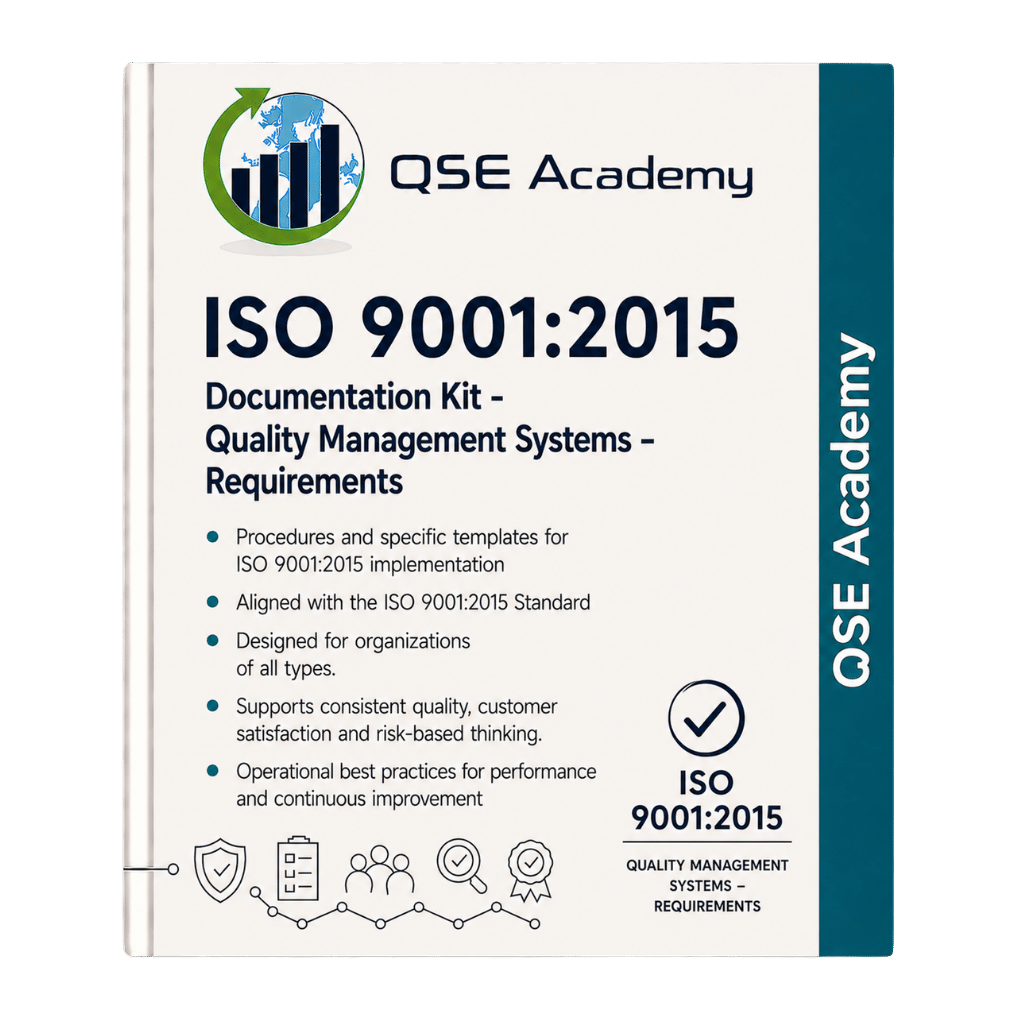
Ready to move from ISO 9001 theory to implementation?
Get the exact tools you need to write your documentation, train your team, map your processes, and pass your audit—without wasted time or guesswork.

👋 Hi, I’m HAFSA, and for the past 12 years, I’ve been on a journey to
make ISO standards less intimidating and more approachable for everyone.
Whether it’s ISO 9001, ISO 22000, or the cosmetics-focused ISO 22716, I’ve spent my career
turning complex jargon into clear, actionable steps that businesses can actually use.
I’m not here to call myself an expert—I prefer “enthusiast” because I truly love what I do.
There’s something incredibly rewarding about helping people navigate food safety and quality management systems
in a way that feels simple, practical, and even enjoyable.
When I’m not writing about standards, you’ll probably find me playing Piano 🎹, connecting with people, or diving into my next big project💫.
I’m an engineer specialized in the food and agricultural industry
I have a Master’s in QHSE management and over 12 years of experience as a Quality Manager
I’ve helped more than 15 companies implement ISO 9001, ISO 22000, ISO 22716, GMP, and other standards
My clients include food producers, cosmetics manufacturers, laboratories, and service companies
I believe quality systems should be simple, useful, and efficient.