ISO 14001 Compliance‑Obligations Register Example
And honestly, it’s understandable. Environmental legislation changes. New permits appear. Industry expectations evolve. What was compliant two years…
Read article →Environmental Management — expert articles, practical resources, and solutions to structure your certification project.
The ISO 14001 standard defines the requirements of an environmental management system (EMS). First published in 1996, it is the world's leading reference for organisations seeking to control and reduce their environmental impact.
The standard takes a lifecycle approach, with environmental risk assessment and regulatory compliance at its core. It structures environmental governance around pollution prevention, control of significant environmental aspects, and continual improvement of environmental performance.
The 2026 version of ISO 14001 was published in 2026 and brings important changes around climate, biodiversity, and the circular economy. A transition period is currently in progress for organisations certified under the 2015 version.
The standard targets any organisation looking to implement a structured environmental approach: manufacturers, service providers, local authorities, public bodies. It is intentionally adaptable to any size and any sector.
ISO 14001 certification helps to demonstrate environmental commitment, meet regulatory requirements, access ESG-sensitive markets, control environmental risks, and reduce operating costs (energy, waste, insurance).
Follow QSE Academy on Google
Add us as a preferred source to see our ISO and compliance articles more often in your Google results and Discover.
And honestly, it’s understandable. Environmental legislation changes. New permits appear. Industry expectations evolve. What was compliant two years…
Read article →
Here’s what I’ve noticed over the years: businesses rarely struggle to name environmental aspects. The real challenge is…
Read article →
A proper gap analysis gives you clarity before you spend time, energy, and budget. It shows you:
Read article →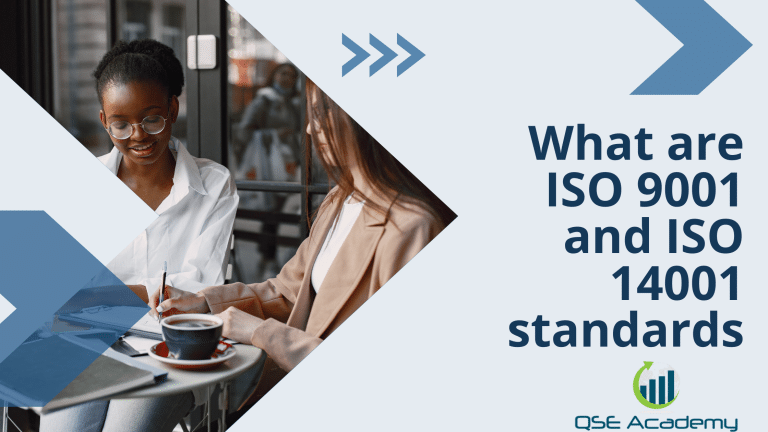
What are ISO 9001 and ISO 14001 Standards? Have you ever wondered how some organizations manage to consistently…
Read article →
The ISO 14000 Family of Standards How to become iso 14001 certified? The ISO 14000 series provides practical…
Read article →
ISO 14001:2026 Requirements Explained (Clause by Clause + What Changed) ISO 14001:2026 is the 4th edition of the…
Read article →
There are changes in the new Environmental Management System (EMS), including the risk and opportunity procedure in ISO…
Read article →
Benefits and Downsides of Contracting a Consultant The rewards of implementing ISO 14001:2015 come at a cost. Your…
Read article →Download the documentation kit or speak with a consultant during a free 30-minute consultation.

QSE Academy supports quality managers, SMEs, and consultants in accelerating their ISO standards implementation through ready-to-use documentation, targeted training programs, custom documentation services, and compliance tools.
Quality Consultants Group LLC
8206 Louisiana Blvd NE,
Ste A #135
Albuquerque, NM 87113
United States
Secure Payment
© 2026 QSE Academy. All Rights Reserved.